My Favorite Business Tools for Running and Growing Your Business
My Favorite Business Tools for Marketing (and running) Your Business
Ready to level up your marketing game and reclaim your time? I’m all about finding the right tools to help you work smarter, not harder. Because let’s be honest, time is money, and who doesn’t want more of both? Get ready to dive into my top picks for streamlining your business and boosting results.
Let’s get this efficiency party started!
Let’s be real – running a business is a wild ride, and finding your perfect marketing flow? That can feel like finding a needle in a haystack (while juggling flaming chainsaws… blindfolded).
But worry not! I’m here to help you ditch the overwhelm and conquer those marketing goals.
And finding the PERFECT business tools for YOU? It’s kinda like finding the perfect pair of power heels. Gotta try a few on til you find the ones that make you wanna strut!
That’s why I’m spillin’ the beans on my fave tools in alpha order.
NOTE: **This post contains affiliate links, meaning that if you choose to click through and make a purchase, I will receive a small commission at no cost to you.**
AddEvent
(FREE + Paid) Click Here
AddEvent can easily share your events and calendars using our amazing. It includes add-to-calendar buttons, beautiful embeddable widgets, RSVP, and subscriber tools.
The most used and trusted add-to-calendar button on the internet since 2012. You can add a beautiful add-to-calendar button to your website, give your users a simple way to save your event to their calendars, increase attendance, and make it a success.
Aftershoot
(PAID!) Click Here
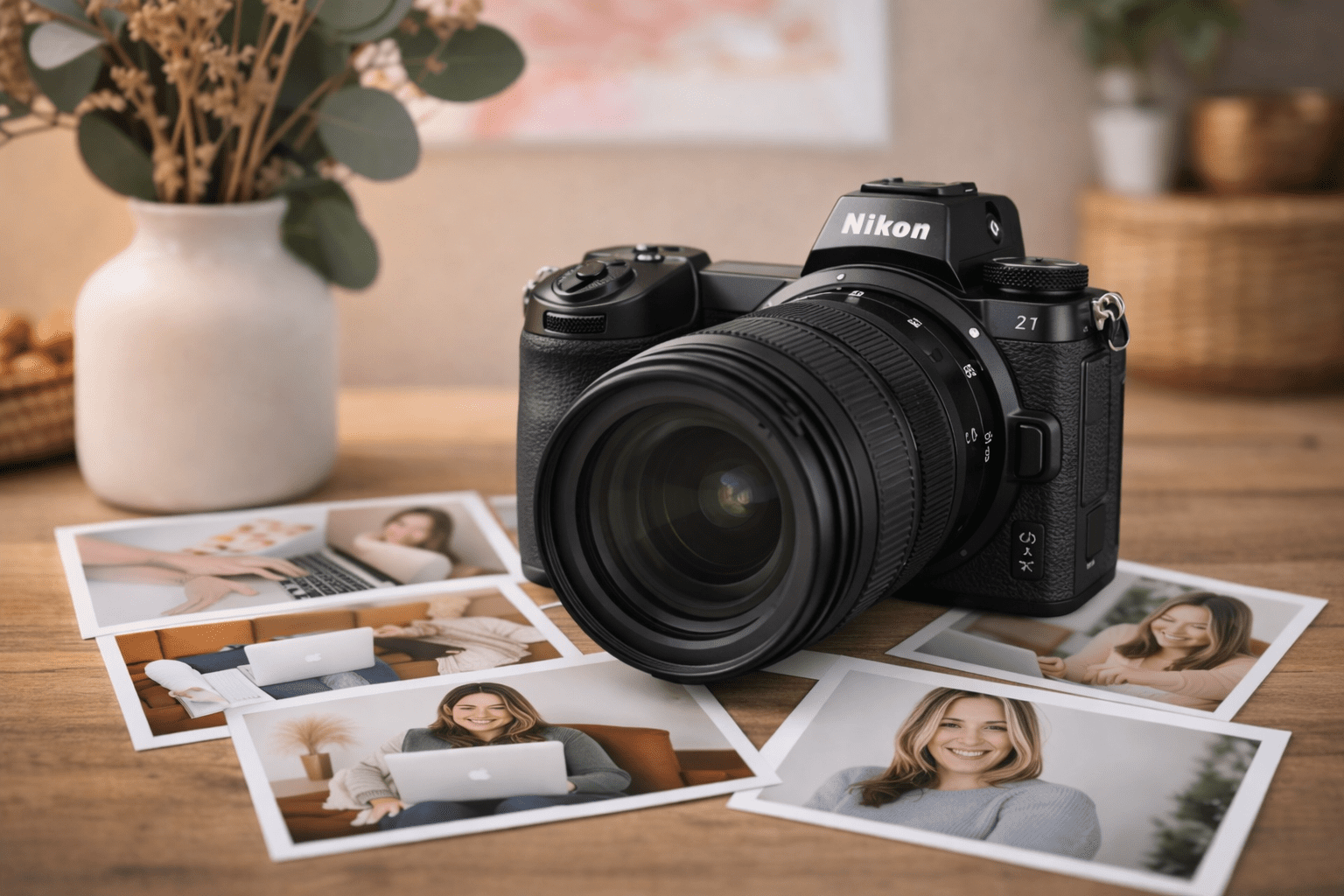
I know you may be thinking what – why are you sharing this??!! Well, I’ve been a professional photographer since 2009 and launched my Pinterest Marketing business in 2018. Without Aftershoot, I would never have time to run a second business.
Culling: I’ve been using Aftershoot to cull my images for years. I’m shocked at how accurate it is to remove any blurry or eyes closed. I do view the closed eyes in case the photos in emotional but it takes the thousands of images I shot and gives a quarter to give to my client. You can choose more or less too! I’ve always had a problem with culling and took hours — this works as fast as 15 minutes for 3k images!
Editing: Right now, if you are a culling client, Aftershoot is offering free editing as it’s in beta. My images are 90% there then I fine-tune a few things. With indoor consistent light, I rarely have to make changes!
Asana
(FREE! + Paid) Click Here
A smarter way to work! With Asana, you can drive clarity and impact at scale by connecting work and workflows to company-wide goals. Asana powers businesses by organizing work in one connected space. More than 100,000 paying organizations and millions of teams worldwide use Asana to focus on the work that counts.
I use this for my ToDo list and also for client work.
BIGVu
(FREE! + Paid) Click Here
Have trouble showing up online or tripping over your words? Want to make more effective videos? Use BIGVU! It’s a teleprompter plus it’s an all-in-one tool for scripting, recording, and styling professional videos. BIGVU helps you:
- Write scripts instantly with AI. Just say what you want, and it’s done!
- Record easily with a teleprompter, then trim with a single tap.
- Add subtitles, cool effects, and your logo for a polished look.
- Share your videos seamlessly across all your social channels.
I use the paid version as I love to use this and create videos for Instagram, TikTok, YouTube shorts, and Pinterest videos succinctly!
Buzzsprout
(FREE! + Paid) Click Here
Podcast Hosting Made Easy! Easy and powerful tools, with free learning materials, and remarkable customer support. I used to use Anchor that got bought by Spotify which is now called Spotify for Podcasters. The week I changed to buzzsprout, my I got my highest analytics to date!! I’m not in the top 25% of podcasts with 208 podcast downloads in the last 7 days. This software made all the difference with being able to add tags!
Canva
(FREE! + Paid) Click Here
This simple and amazing content creation site will help you to create all kinds of images, presentations, posters, infographics, social media images, and really anything you can think of. There is a free version or you can pay for the pro version that gives you Pro stock photos and one click resizing and more.
I use this daily from YouTube thumbnails, Instagram graphics, facebook graphics, blog graphics, and so much more!
ChatGPT
(FREE! + Paid) Click Here
Simply put, ChatGPT by OpenAi is trained to follow instructions in a prompt and provide a detailed response. I’ve been using it since it launched in November 2022 and in February of 2023 I started paying $20 monthly for the Pro version because it is so much faster and I never have a problem getting in.
I use it for blogs, client emails, newsletters, creating titles for blogs and YouTube videos, TikTok scripts, and Instagram reels (different). I’m telling you this is incredible. Here’s a video on how I use it with tips and warnings to ensure you are using it correctly.
Claude (MY FAV)
(FREE! + Paid) Click Here
Can I share something I’m genuinely obsessed with right now? Claude. I pay for it, and the Cowork function has completely changed how I work. It handles things in the background while I’m focused on something else, which means more gets done without me doing more.
What really got me, though? It remembers my preferences. No em dashes. No emojis. My content comes out clean and ready to use. If you’re still spending time editing AI output to make it sound like you, this one is worth a look.
CloudSpot.io
(FREE! + Paid) Click Here
Build a thriving photography business on a budget! For just $3, get the tools you need to streamline your workflow, impress clients, and sell your work. Start with a free trial and experience the difference yourself.
Sell your photos with ease! Set up your own customizable storefront, offer prints, products, and digital downloads, and keep 100% of your profits. Clients will love the professional galleries and simple, secure download options.
Manage your business like a pro. Create contracts, send invoices, and track important insights about your clients and sales – all in one easy-to-use platform. Spend less time on paperwork and more time behind the camera with these powerful business management tools.
ConvertKit (Known Now as Kit)
(FREE! + Paid) Click Here
I don’t use ConvertKit (Kit) anymore now that I use FG Funnels for this and so much else, but years ago when I went from Mailchimp to ConvertKit, my open rate jumped 20%!
This is free to start and I used it free for years! The analytics are great and you can A/B test email subject lines. Check it out!
Descript
(Free+Paid) Click Here
There’s a new way to make videos and podcasts. A good way. Descript is a simple, powerful, and fun way to edit. One tool for your full workflow. Descript is the only tool you need to write, record, transcribe, edit, collaborate, and share your videos and podcasts.
Instead of a timeline type of editing, when you have a video it pulls in a script. Delete a word and the video is edited. It is insanely cool and makes it so easy to be consistent with creating video content to market your business..
Listen to my podcast about it here and I’m sharing a video soon!
Dropbox
(PAID!) Click Here
Simplify file sharing and streamline your workflow with Dropbox!
- Deliver a seamless client experience: Easily share large videos, photos, PDFs, and documents without any frustrating size limits or clunky downloads.
- Budget-friendly storage: Forget about expensive storage plans. Dropbox offers an affordable solution that won’t break the bank.
- Work from anywhere: Access and send your files from your computer, phone, or tablet – stay productive on the go.
- Collaborate effortlessly: Create shared folders where clients can directly upload the photos, videos, or documents you need
Say goodbye to complicated file transfers. Try Dropbox and discover the difference! I use Dropbox for gathering photos, docs, and videos for my annual summit Creative Marketing Summit and Marketing Strategy Academy Podcast for guests
Pinterest Driving You Nuts? It Doesn't Have To!
Imagine easily driving traffic and booking more clients with Pinterest. Our Pinterest Strategy Club takes the guesswork out of this powerful platform. Think of it like your Pinterest shortcut!
What you get inside:
- LIVE coaching, pinning sessions, and masterminds: No more outdated YouTube videos! Get real-time help tailored to you.
- Time-saving templates & tools: Gorgeous pins in minutes, plus insider resources to streamline your strategy.
- A supportive community: Connect with like-minded entrepreneurs and get the motivation you need.
Ditch the Pinterest struggle. This club is for you if:
- You’re tired of feeling lost and frustrated with Pinterest.
- You crave a simple, effective approach that fits your workflow.
- You want more leads without breaking the bank on ads.
Ready to turn Pinterest into your client-booking machine?
👉 Join the Pinterest Strategy Club today!
Élevae Visuals
(PAID!) Click Here
Tired of generic stock photos that don’t reflect your brand? Élevae Visuals (formerly Social Squares) is the solution! Their exclusive library of 8,000+ images is designed specifically for female entrepreneurs, giving you the perfect visuals for social media, websites, and more.
Forget the expense of custom photoshoots! With Élevae, you’ll find bright, on-brand images in all the colors you need. Plus, they don’t just offer photos – you’ll get expert marketing tips, captions, and access to a supportive community of like-minded businesswomen.
As a professional photographer, I ONLY use Élevae for my stock photo needs beyond my own photography. Elevate your brand and book more clients with Élevae Visuals.
Fathom
(FREE+Paid) Click Here
Fathom records, transcribes, highlights, and summarizes your meetings so you can focus on the conversation. Get setup in minutes.
I’ve tried many notetakers (you’ll see Otter in this list) but I love Fathom as I just set it and forget it as a Zoom user. I hook it up via the apps in my Zoom and it automatically records the video (great backup) and gives a summary but also lists the questions asked during the call. One click and I can share it with those that were on the call. This is a no-brainer.
FG Funnels
(PAID!) Click Here
This software changed my business! (And my bottom line.)
Every year, I invest in my business. It’s a year-end tradition. In 2022, I discovered FG Funnels, and honestly, it might be the best decision I’ve ever made.
Imagine this: a single platform that builds gorgeous sales pages, automates your email campaigns, AND sets up your lead magnets, courses, or memberships – all without breaking the bank!
FG Funnels streamlined my entire process. Forget juggling multiple tools for email, scheduling, and courses! It does it all, saving me time and serious money.
Want to hear the best part? FG Funnels has incredible features, but the price tag is what sold me. Intrigued? I bet you are! Check it out and send me an email if you want more information.
Google Gemini
(FREE) Click Here
Google Gemini is a cutting-edge AI language model that’s changing how we work and create. It can generate different creative text formats, translate languages, provide comprehensive summaries, assist with coding, and much more.
Unlike ChatGPT, Gemini boasts multimodality, seamlessly understanding and processing various input types like text, images, and video. This, along with its access to real-time information through Google Search, makes Gemini even more versatile and informative.
Whether you need help brainstorming, writing content, or streamlining research, Gemini is a powerful tool designed to boost your productivity and unlock your creativity.
I literally use this EVERY SINGLE DAY!
Google Workspace
(PAID!) Click Here
Imagine ditching that generic email address and upgrading to one that reflects my business. That’s just the start with Google Workspace! I get all the tools I need to streamline how I work – my own custom email, shared calendars, video meetings, secure cloud storage, and of course, the familiar Docs, Sheets, spreadsheets, and Slides for easy collaboration.
It’s like having my own digital office assistant! Want to see if it’s right for you? Check it out to elevate your business.
Instacart
(PAID!) Click Here
Okay, I’ll admit – I used to loathe grocery shopping. Now, thanks to Instacart, I’m a total convert! It’s the ultimate time-saving tool. Think about it: someone else does the shopping while I tackle other stuff on my to-do list. I can either pick up my groceries or have them delivered right to my door. Hours of my life back every week? Yes, please!
If you’re always feeling crunched for time, Instacart might just become your favorite life hack, too.
LastPass
(FREE! + Paid) Click Here
Remember how frustrating it is when you need a password and can’t find it? LastPass totally saved me from that headache! It’s my password lifesaver, and I use it for all my clients.
The best part? I can securely share passwords with my family, so nobody’s locked out of any of our apps like Hulu, Amazon…you name it.
Pin Inspector
(FREE!) Click Here
Okay, fellow Pinterest marketers, I’ve stumbled on a game-changer! Pin Inspector is like having my own Pinterest detective agency. It helps me uncover what’s secretly working like crazy on the platform – hot trends, top-performing pins, even those sneaky ads that are crushing it. And hey, who doesn’t love a discount? Use code PIN20 at checkout for $20 off.
Disclaimer: Since it’s not a Pinterest ‘approved’ third party platform, I would not connect my Pinterest to the app. You can still do so much with it!
Stripe
(PAID!) Click Here
As my online business started taking off, payments were a total nightmare. Then I found Stripe. It’s like the backbone of my digital sales – customers can pay seamlessly, I get my money quickly, and the whole system just works.
Whether you’re just launching your online store or running a full-fledged e-commerce empire, Stripe makes the money side of things a breeze.
Tailwind
(FREE!) Click Here
Okay, fellow marketers, let’s talk about social media sanity! I’ve been a Tailwind user since 2018, and even after testing all the competition, nothing comes close. It’s my secret weapon for Pinterest, Instagram, and Facebook. Scheduling? Done. Optimal posting times? Tailwind’s got my back. Plus, their Communities feature is fantastic for growth.
But here’s the game-changer: Tailwind Create and Ghostwriter. Think killer graphics and engaging captions in a flash. Honestly, I’ve scaled back using Canva and ChatGPT because Tailwind does it so well for social media! Full disclosure: I work with Tailwind on education, but I’d shout their praises from the rooftops even if I didn’t!
Voxer
(FREE!) Click Here
Okay, if you’re constantly juggling communication, Voxer is about to change your life. Think of it as the ultimate walkie-talkie for your smartphone! I’m ditching endless text threads and using it for everything. Quick chats with my VA? Check. Speedy client updates? Done. Connecting with my Masterminds, memberships, and coaching? Yep!
And who wouldn’t want to talk versus type things out anyway? It’s crazy efficient and way more personal than just texting.
Summary
Give one or more of these tools a whirl and see which ones light your fire! 🔥
Remember – the right tools + my proven methods = a streamlined marketing machine that fuels your success (and lets you get back to that zone of genius)!
Let me know if you want to explore how I can help you bring your business growth vision to life!
Don’t Forget To Pin It!