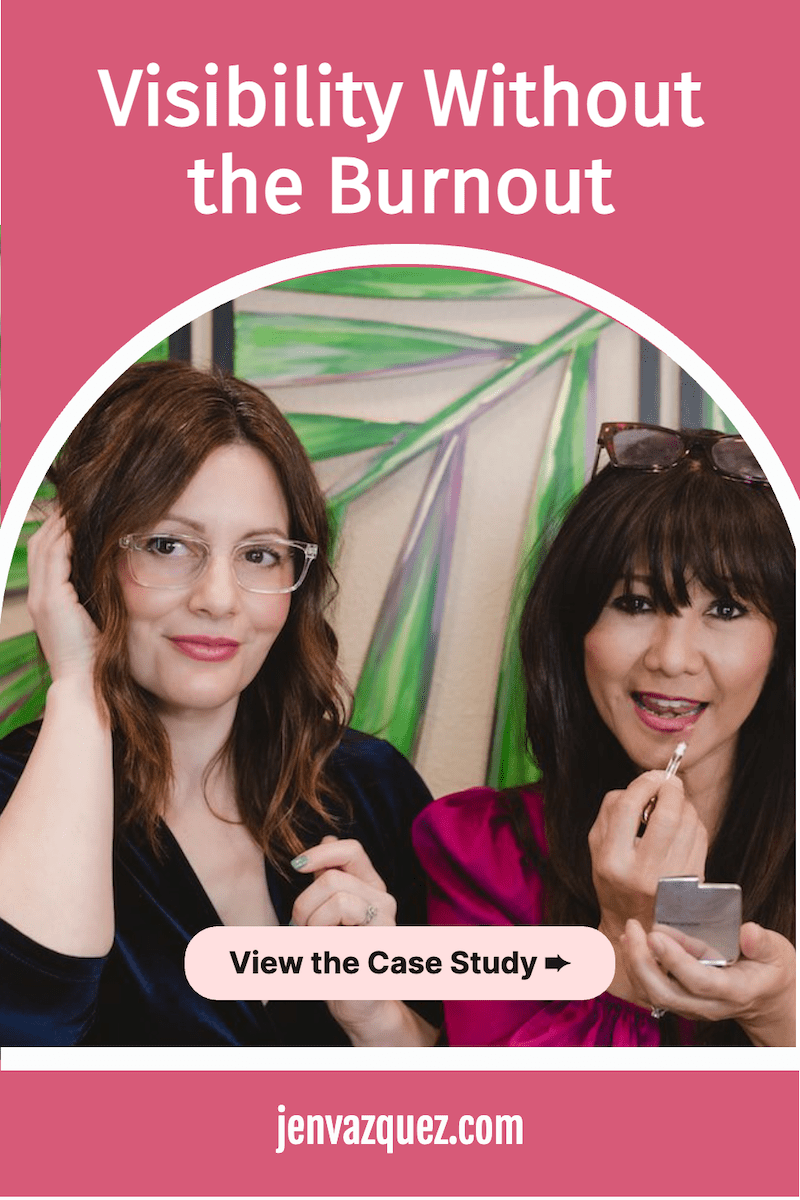
Why Pinterest Courses Don’t Work for Service-Based Business Owners

Why Pinterest Courses Don’t Work for Service-Based Business Owners

And What Actually Gets Results

If you’ve taken a Pinterest course and still aren’t seeing traffic or clients from Pinterest, you’re not alone. And the problem probably isn’t you.

Most Pinterest courses don’t actually work the way people expect them to. Not because the strategies inside them are wrong. But because Pinterest success requires something that courses just really can’t provide.

After working with service-based business owners since 2018, I kept seeing the same pattern over and over. People would take Pinterest courses from really well-known educators, learn the strategy, understand the basics — but when it came time to actually implement that strategy in their own business? Things would stall.

Let’s talk about why that happens.

The Real Problem with Pinterest Courses

There are a lot of really smart educators teaching Pinterest. And many Pinterest courses contain great information. I’m not knocking other educators at all.

But the issue isn’t the information. It’s not the strategy. It’s what happens after the course ends.

Most Pinterest courses follow a pretty similar structure. You learn keyword strategies, pin design, scheduling strategies, and content planning. You go through the lessons, take in the information, feel excited about the possibilities. Then you sit down to apply it to your own business — and that’s when the questions start:

  • Am I using the right keywords?
  • Am I finding the keywords the right way?
  • How many pins should I be posting? (This varies wildly — anywhere from 1 to 20 pins a day depending on your business and industry.)
  • Why isn’t my traffic growing yet?
  • Is Pinterest supposed to take this long?
  • Should I change my strategy?

Most courses can’t answer those questions. Not because they’re bad courses — but because every business is different, and courses rarely provide personalized feedback. 

Sure, some have a community where you can ask a question. But it’s really hard to answer a specific Pinterest question about your business without knowing everything about your business and your ideal client.

A Real Example: Why a Pinterest Course Didn’t Work for My Client

Let me share a story from one of my clients. We’ll call her Lisa.

Before working with me, Lisa had purchased a very well-known Pinterest course. She went through the entire program — not once, but twice — because she thought she missed something the first time. She followed the strategy exactly as it was taught.

And it still wasn’t working for her.

This wasn’t because the course was bad. The problem was that she had no way to get feedback specific to her business.

Most Pinterest Courses Are Built for Bloggers

When we started digging into Lisa’s strategy, something became really clear. The course she’d taken was heavily built around a blogging business model. That works great if you are a blogger focused on ad revenue or affiliate traffic.

But Lisa was a service-based business owner. Her goal wasn’t just traffic — it was booking clients.

Most Pinterest courses advertise themselves as being for everyone or for creatives. But the examples and strategies inside are often designed with bloggers in mind. Service-based business owners operate very differently, and that mismatch can make implementation really confusing.

Ready to See How Pinterest Can Actually Work for You?

I just created a free Pinterest masterclass that walks through the strategy step by step. Inside, I’m going to cover:

  • How Pinterest drives long-term traffic
  • The biggest mistakes business owners make on the platform
  • How to build a strategy that works for you and your business — and actually brings in leads

What Happened When We Changed Her Approach

Once Lisa joined my program, we shifted the focus from learning more information to actually implementing a strategy that worked for her business, her goals, and her life.

She didn’t want to be pinning all week long. She wanted a specific time block, and she could only give about an hour.

The Follow-Up Question That Changes Everything

One of the first things I asked her to do was start asking new clients a deeper question. And this is a mistake almost everyone makes.

When you ask a new client “How did you find me?” and they say something like Instagram or TikTok — that’s not usually the full story.

I started doing this research with my own clients back in 2021. What I found was that about 83% of the time, the quick answer wasn’t the real answer.

When Lisa started asking follow-up questions, the real story came out. Many of these people had actually found her through Pinterest, a Google search, or a blog post. But when people think about where they found you, they usually give credit to the platform they were on when they decided to reach out.

That actually makes sense, right? Someone discovers you on Pinterest, clicks through to your website, reads your content, and then goes and follows you on Instagram. When they finally reach out, they think “I found her on Instagram.”

But Pinterest and search were doing the actual discovery work. They were doing the heavy lifting.

From 5 Hours a Week to 3 Hours a Month

During the seven months Lisa worked with me, we focused on refining her Pinterest strategy. Not starting over. Not guessing. Refining — because she had support and guidance on what to adjust.

She worked on Pinterest three times a month, only an hour each time. Three hours a month total.

We also created a simple marketing workflow that dramatically cut her marketing time. Before working together, she was spending about five hours every week trying to keep up with marketing. Most of that was on social media, and very little on Pinterest — because she had so many unanswered questions.

After we streamlined things, she only needed three hours a month. And with that extra time? She now spends it volunteering at her child’s school.

That’s the kind of result most business owners actually want. Not just traffic — but a marketing system that works without taking over their life.

Pinterest Success Isn’t an Information Problem

This experience reinforced something I’ve believed for years. Pinterest success usually isn’t an information problem — it’s an implementation problem.

Most business owners already have access to more information than they could ever use. You can go to YouTube University, read blogs, take courses, listen to podcasts, even ask AI tools. Information is everywhere.

But execution is where most people struggle. Sometimes they’re just a couple of questions away from getting it right — once they have somebody who actually understands their business and goals.

Pinterest success requires three things:

  • Knowledge
  • Implementation
  • Consistency

Courses usually provide the first one. But the other two are where most people need the most help.

Why I Built My Membership Instead of a Course

This is exactly why I created my Pinterest membership back in 2018. When everyone was telling me to “make a Pinterest course,” I said no.

I wanted to create something different. A space where business owners could actually implement what they learned — with real support.

Inside the membership, we do live trainings, live Q+A sessions, and live masterclasses. When someone gets stuck, they can ask questions and I can even share my screen and show them exactly what I’m talking about. We’re not just typing in a community and hoping we get the right answer.

We address strategy adjustments as your business changes, your goals shift, or your available time changes. And when motivation starts to drop, there’s built-in accountability to keep going.

The goal isn’t just to learn Pinterest. The goal is to actually use Pinterest to bring in clients.

How Pinterest Actually Works (It’s Not Social Media)

If Pinterest has felt confusing, slow, or like it just hasn’t worked the way you expected — it’s usually because Pinterest operates very differently than social media.

Pinterest isn’t about trends the way TikTok or Instagram are. You don’t have to constantly post to stay visible.

Pinterest is about creating searchable content that compounds over time. Think about it — whenever you search for something on Google, Pinterest results come up almost every single time.

That’s the power of the platform. Your content keeps working for you long after you hit publish.

Pinterest courses aren’t necessarily bad. But courses alone typically aren’t enough to create real results. Pinterest isn’t just about learning a strategy — it’s about implementing that strategy consistently until it compounds. That’s the part most business owners need support with.

Ready to See How Pinterest Can Actually Work for You?

I just created a free Pinterest masterclass that walks through the strategy step by step. Inside, I’m going to cover:

  • How Pinterest drives long-term traffic
  • The biggest mistakes business owners make on the platform
  • How to build a strategy that works for you and your business — and actually brings in leads

📌 DON’T FORGET TO PIN IT!

Case Study: Building an Evergreen Visibility System From Scratch

Case Study: Building an Evergreen Visibility System From Scratch by Jen Vazquez Media of Velia Beauty Co and Moderne Beauty and The Beauty Lab Podcast

Case Study: Building an Evergreen Visibility System From Scratch

Velia Beauty Co + The Beauty Lab Podcast

Client Snapshot

Client: Velia Beauty Co + The Beauty Lab Podcast
Industry: Beauty + Hair Care
Project Scope: Podcast launch and management, YouTube launch and management, Pinterest marketing, email marketing, brand photography, full content repurposing
Agency: Jen Vazquez Media

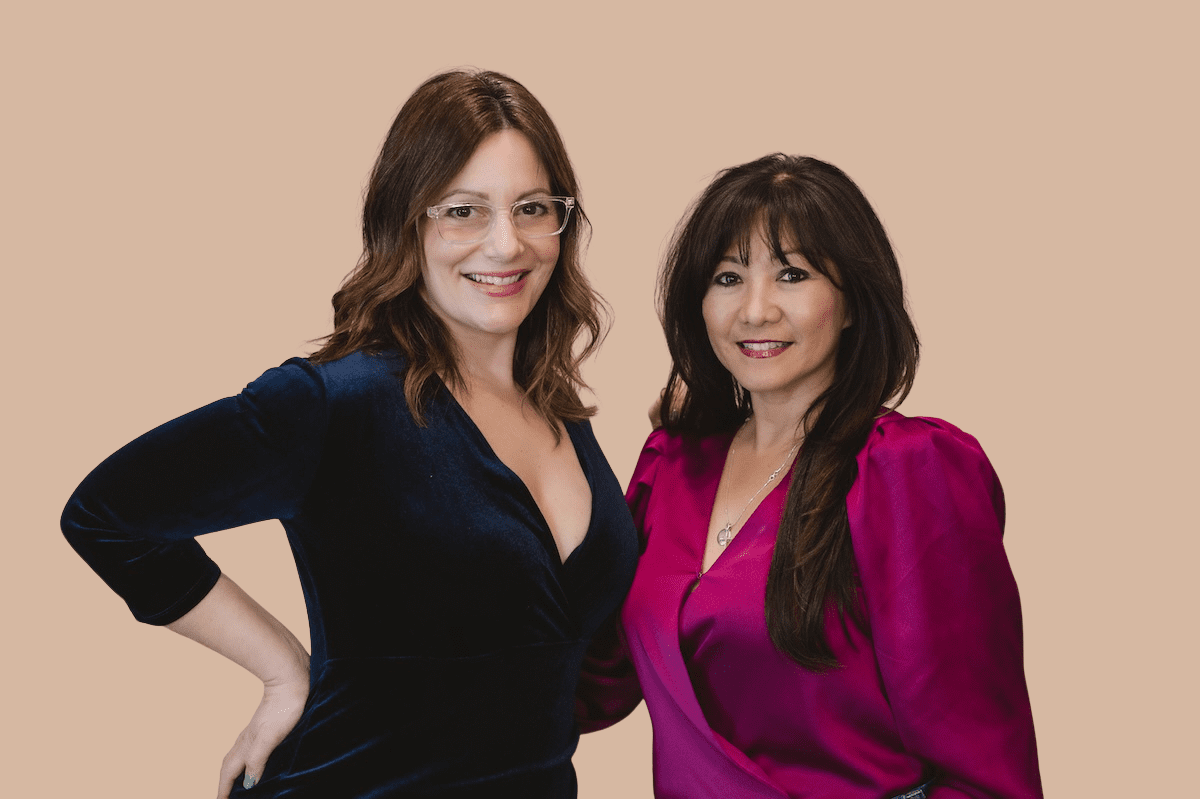
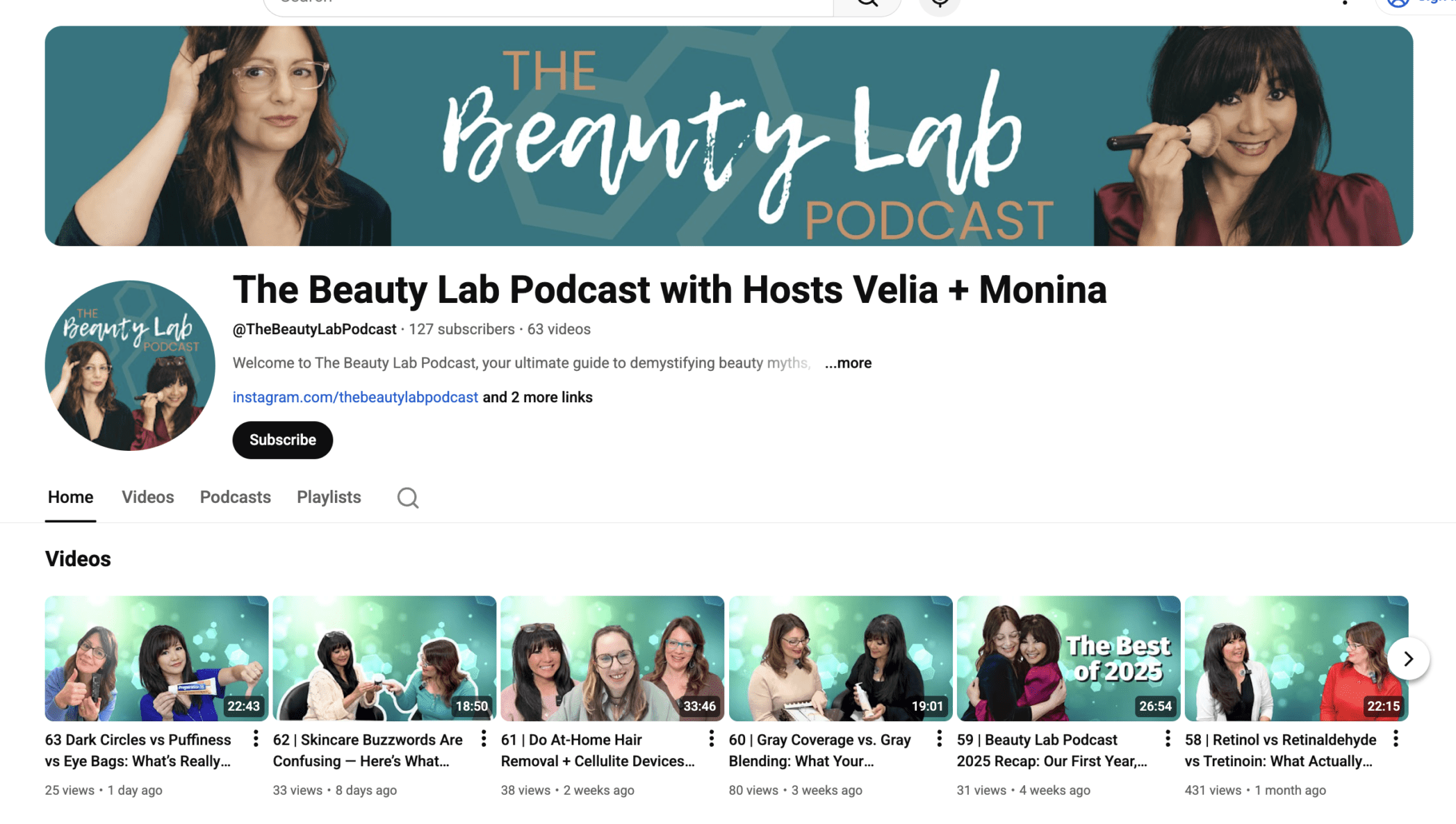
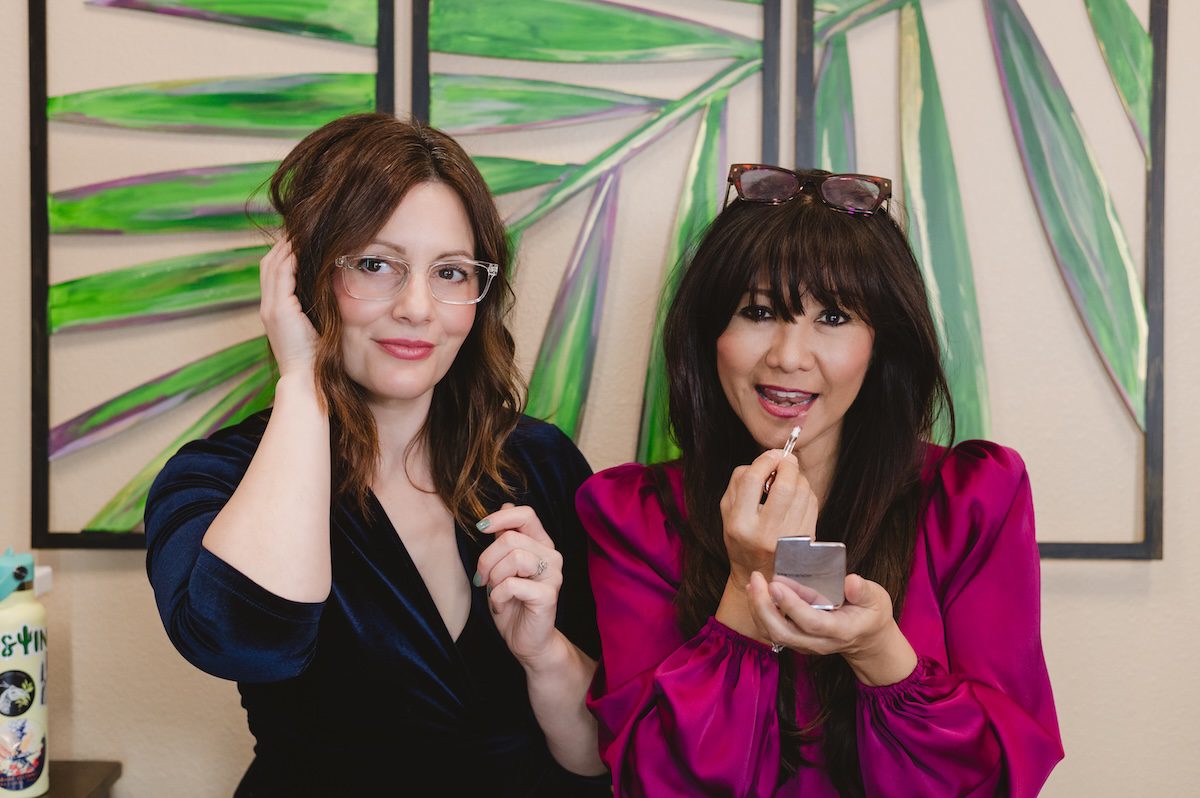
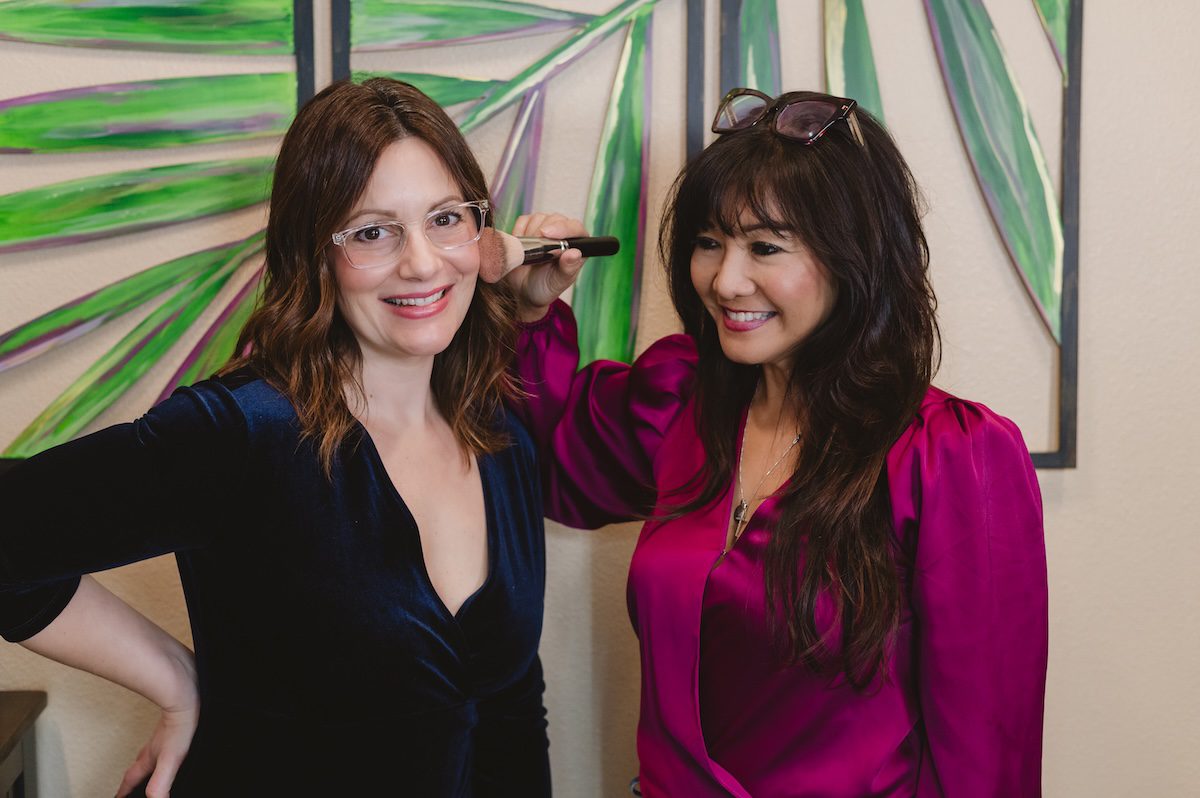
Velia Beauty Co is a hair care brand built on education, ingredient transparency, and real solutions for women navigating hair and scalp changes over time. Alongside her product-based business, Velia co-hosts The Beauty Lab Podcast with Monina — a show focused on demystifying beauty myths and answering the questions women are already searching for.

When Velia came to us, she wasn’t looking for more ideas.

She wanted a system.

Case Study: Building an Evergreen Visibility System From Scratch by Jen Vazquez Media (Marketing + Pinterest Agency)

The Starting Point: Built From Absolute Zero

When we started working together:

  • There was no podcast
  • There was no Pinterest account
  • There was no YouTube channel
  • There was no email marketing system
  • There was no repurposing workflow
  • There was no library of brand photos

Velia and her co-host knew early on that the only way they would stay consistent with the podcast was if someone else handled everything after recording.

They didn’t want to:

  • Learn marketing through free, disconnected content
  • Experiment with tools that wouldn’t be on brand
  • Spend time editing, uploading, writing, or scheduling

They wanted the podcast to become a discovery engine, not another responsibility.

The Goal: Visibility Without More Work

Velia was very clear about what she wanted:

  • Visibility without adding more to her plate
  • Consistency without burnout
  • Expert execution instead of DIY trial-and-error
  • A podcast that helped people discover both the show and her products

Her role needed to stay simple.

She and her co-host record the podcast.
That’s it.

Case Study: Building an Evergreen Visibility System From Scratch by Jen Vazquez Media (Marketing + Pinterest Agency)

Our Approach: One Recording → A Full Marketing Ecosystem

We built a complete, done-for-you visibility system from the ground up.

Podcast + YouTube Management

We:

  • Traveled on-site to help set up lighting and tech the first time they recorded, so recording felt easy yet still professional
  • And now we take the raw video
  • Edit each episode
  • Publish to all podcast platforms
  • Upload and optimize every episode on YouTube

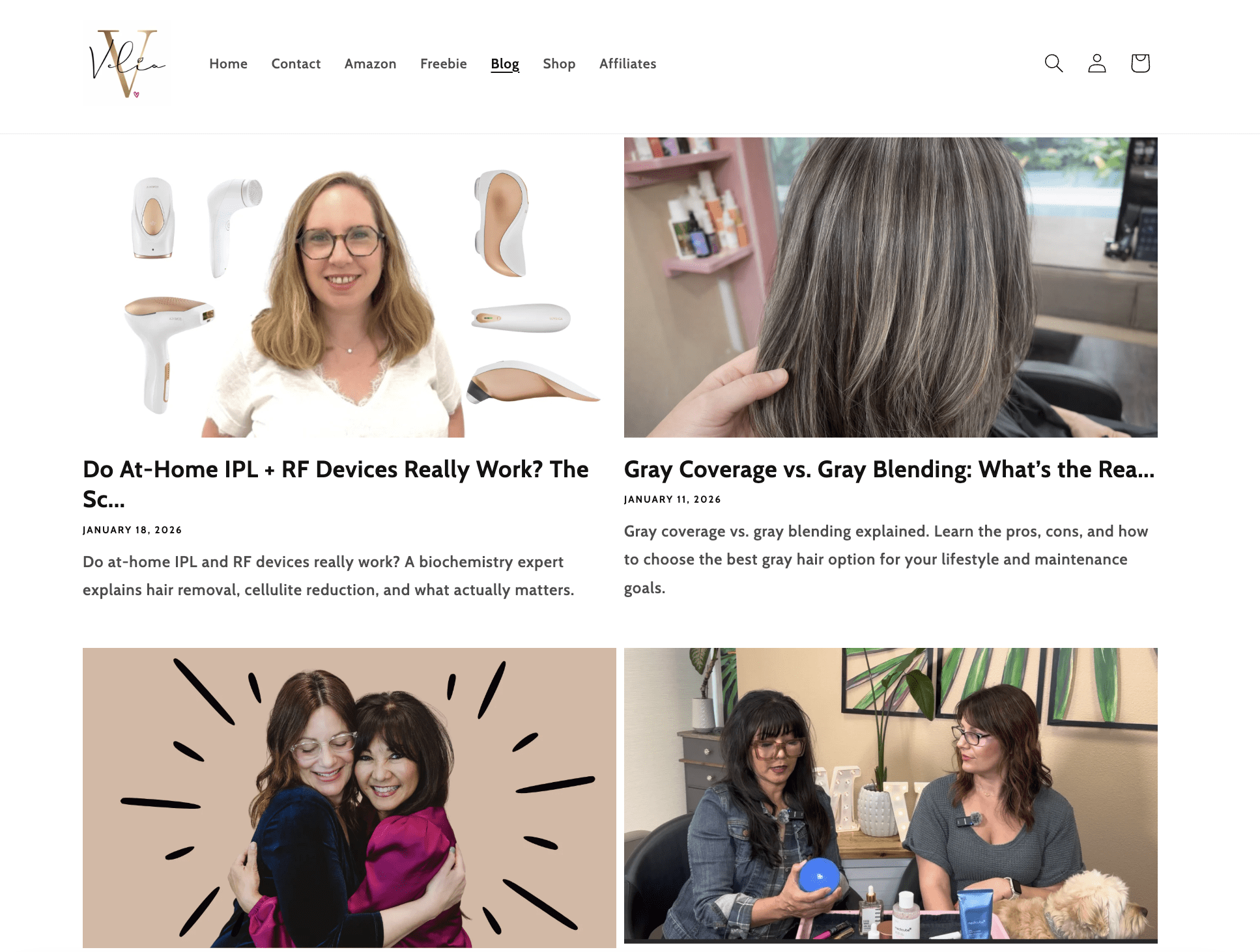
Blog + Show Notes (Dual Publishing)

Each podcast episode is repurposed into:

Same core content, different positioning — without duplicate SEO issues.

Pinterest Marketing (Started From Scratch)

We:

  • Created the Pinterest account from zero
  • Built keyword-focused boards
  • Published pins weekly
  • Used podcast episodes, blog content, and her freebie as evergreen traffic drivers

Pinterest now works quietly in the background, continuing to surface its content long after episodes are published.

Email Marketing (Done-For-You)

After about a year of podcast and Pinterest growth, Velia decided she didn’t want to implement her weekly emails herself.

We:

  • Set up her email marketing system from scratch
  • Write and send weekly emails
  • Include The Beauty Lab Podcast content
  • Strategically feature Velia Beauty Co products to support sales

This created a clean path from education → trust → product visibility.

Brand Photography for All Platforms

We also completed a brand photography shoot to create a cohesive image library for:

  • Website content
  • Blog posts
  • Pinterest pins
  • Podcast promotion
  • Email marketing

This ensured visual consistency across every platform and gave the brand a strong, recognizable presence wherever its content shows up.

Case Study: Building an Evergreen Visibility System From Scratch by Jen Vazquez Media (Marketing + Pinterest Agency)

The Results

Pinterest Growth (Built From Scratch)

Pinterest was launched with zero existing data, followers, or traffic.

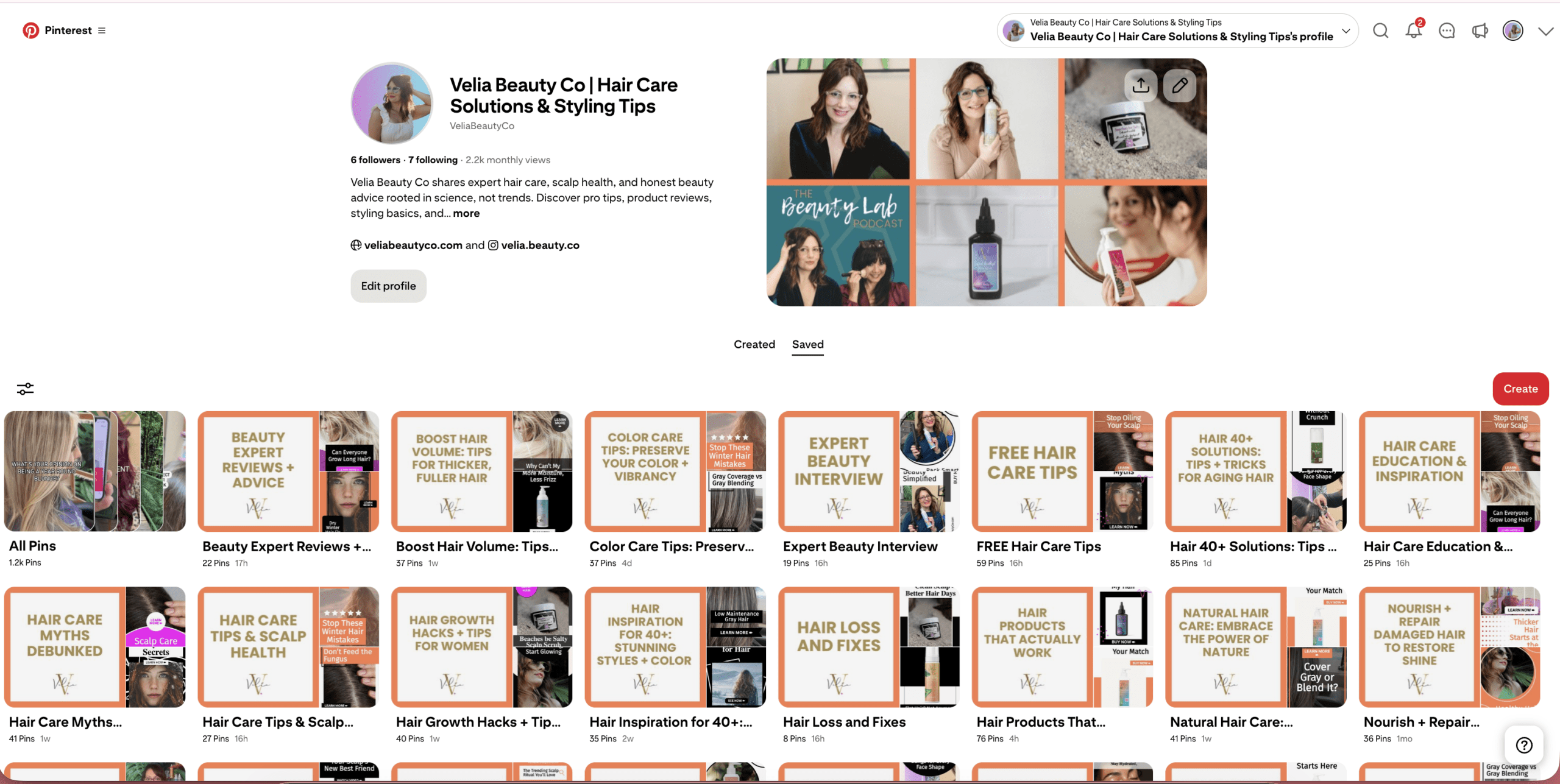
Since starting and managing Pinterest for Velia Beauty Co, the account has experienced sustained, measurable growth:

  • Followers increased by 600%
  • Monthly viewers increased by 231,000%
  • Outbound clicks increased by 2,700%

Pinterest now functions as an evergreen discovery platform, consistently driving traffic to:

  • Blog content
  • Podcast episodes
  • Lead magnets and freebies

All without the need for daily posting or ongoing manual effort from the client.

Podcast Growth (Built From Zero)

The Beauty Lab Podcast launched with no existing audience and no prior episodes.

Today, the podcast shows steady, healthy growth driven by evergreen beauty education:

  • 336 downloads in the last 30 days
  • 758 downloads in the last 90 days
  • 2,576 total downloads
  • Strong listenership across Apple Podcasts and Spotify

Because episodes focus on searchable, education-based topics, they continue to be discovered well after publishing — supporting long-term visibility for both Velia and her co-host.

Email Performance (New Channel)

Email marketing was added later and also started from scratch.

Early performance includes:

  • 221 total subscribers
  • 39% average open rate
  • 1.65% average click rate

List growth is driven by:

  • A “greasy hair” free guide
  • Existing salon clients
  • Hair product customers

Even in the early stages, email is already supporting education, trust-building, and product awareness.

The Outcome That Matters Most

Velia and her co-host:

  • Record the podcast
  • Hand off the files
  • Everything else runs

Their content now:

  • Lives on multiple platforms
  • Is repurposed automatically
  • Continues working long after it’s published
  • Supports both brand visibility and product sales

No scrambling.
No guesswork.
No burnout.

Case Study: Building an Evergreen Visibility System From Scratch by Jen Vazquez Media (Marketing + Pinterest Agency)

Why This Works

This system isn’t about doing more content.

It’s about building one strong core asset — the podcast — and letting it power:

  • Blog content
  • Pinterest traffic
  • YouTube discovery
  • Weekly emails
  • Ongoing brand authority

One workflow.
Long-term visibility.
Marketing that fits real life.

Who This Is For

This type of system is ideal for:

  • Business owners who want visibility without more work
  • Podcast hosts who want consistency without burnout
  • Brands that want evergreen discovery instead of short-term spikes
  • Founders who want expert execution, not DIY overwhelm

About Jen Vazquez Media

At Jen Vazquez Media, I help female service providers simplify their marketing so it actually works — without needing more time, more content, or more hustle.

With over a decade of experience in marketing, Pinterest strategy, and brand photography, I focus on one thing: building clear, repeatable marketing workflows that bring in leads and fit real life. No guesswork. No spinning your wheels. Just systems that make sense and keep working in the background.

I believe marketing should feel supportive, not stressful. Whether you’re trying to get more eyes on your content, turn your blog into a traffic driver, or finally understand what to focus on each week, my work is about clarity, consistency, and ease.

If you’re tired of doing all the things and ready for a smarter way to show up, you’re in the right place.

Want help simplifying your marketing?

Explore DIY or Done With You services or free resources — and let’s make marketing feel doable again.

Case Study: Building an Evergreen Visibility System From Scratch by Jen Vazquez Media (Marketing + Pinterest Agency)
Case Study: Building an Evergreen Visibility System From Scratch by Jen Vazquez Media
Case Study: Building an Evergreen Visibility System From Scratch by Jen Vazquez Media  of Velia Beauty Co and Moderne Beauty and The Beauty Lab Podcast

📌 DON’T FORGET TO PIN IT!
Case Study: Building an Evergreen Visibility System From Scratch Vfor elia Beauty Co + The Beauty Lab Podcast

Pinterest’s 2026 Color Palette + How Service Providers Can Use These Colors in Their Marketing

Pinterest’s 2026 Color Palette + How Service Providers Can Use These Colors in Their Marketing<br />
by Jen Vazquez Media

Pinterest’s 2026 Color Palette + How Service Providers Can Use These Colors in Their Marketing

Okay, first things first: this is not a “pick a color and panic” post.
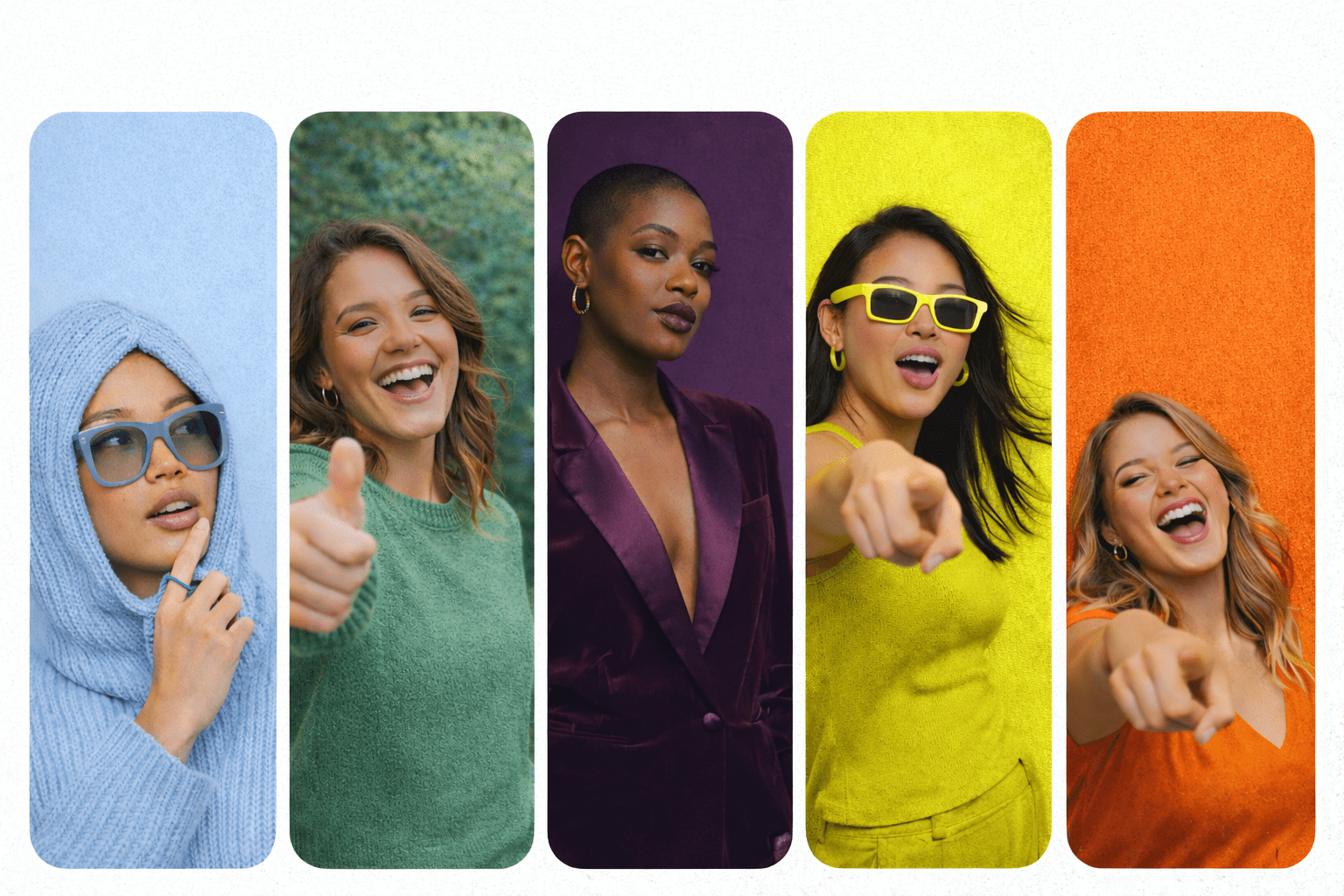
The 2026 Pinterest Palette™ is here, and it’s playful, bold, moody, fresh, and just cheeky enough to make your marketing feel alive again.

And no—you don’t need to rebrand your whole business or repaint your office walls.
You do get to borrow the vibe.

Let’s talk about what these colors actually mean and how service providers can use them without adding more work to their plates. Because we like fun… not chaos.

What Is the Pinterest Palette (and Why It Matters)?

Every year, Pinterest releases a color forecast based on real search data. Not guesses. Not trends pulled out of thin air. Actual things people are saving, searching, and planning for.

Which means this palette isn’t just pretty—it’s predictive.

Translation for service providers:
These colors reflect what your future clients already like, even if they can’t name it yet.

The 2026 Colors (a Very Jen Breakdown)

Cool Blue

Think calm, clean, icy-in-the-best-way.
This color is giving clarity, confidence, and “I’ve got this handled.”

Use it if you want to:

  • Feel trustworthy and grounded
  • Create breathing room in your visuals
  • Balance out louder brand colors

Perfect for:
Website sections, Pinterest pin backgrounds, quote graphics, educational content.

Pinterest’s 2026 Color Palette by Jen Vazquez Media

Jade

Earthy but elevated. Soft but strong.
Jade feels intentional. Like you know who you are and don’t need to shout.

Use it if you want to:

  • Show growth, stability, or transformation
  • Add warmth without going neutral
  • Feel luxe without feeling stiff

Perfect for:
Lifestyle photos, service graphics, Instagram stories, brand photography accents.

Pinterest’s 2026 Color Palette by Jen Vazquez Media

Plum Noir

Moody. Rich. A little mysterious.
This is “I’m the expert” energy.

Use it if you want to:

  • Signal depth and experience
  • Add drama (the good kind)
  • Stand out in a sea of beige

Perfect for:
Headers, callouts, high-end offers, launch visuals, text overlays.

Pinterest’s 2026 Color Palette by Jen Vazquez Media

Wasabi

Bold. Electric. Not here to play small.
This color is a jolt—and that’s the point.

Use it if you want to:

  • Grab attention fast
  • Highlight CTAs or buttons
  • Add personality without being loud everywhere

Perfect for:
Buttons, arrows, underlines, stickers, micro-accents.

Pinterest’s 2026 Color Palette by Jen Vazquez Media

Persimmon

Warm. Joyful. Confident.
This color feels like momentum.

Use it if you want to:

  • Feel approachable and human
  • Add energy to your content
  • Nudge people to take action

Perfect for:
Offers, promo graphics, storytelling posts, lead magnets.

Pinterest’s 2026 Color Palette by Jen Vazquez Media

How Service Providers Can Use This (Without Doing Too Much)

Here’s the secret:
You don’t use all five. You pick one or two and sprinkle.

Try this instead:

  • Update your Pinterest pin templates with one palette color
  • Add a new accent color to Canva and use it for CTAs
  • Choose one shade for a seasonal content batch
  • Let it guide your brand shoot styling or flat lays
  • Use it as a filter when choosing stock or B-roll

This is about alignment, not perfection.

Why This Works So Well on Pinterest (Specifically)

Pinterest users are planners. They’re future-focused.
And these colors are literally based on what they’re planning for next.

When your visuals quietly match what they’re already drawn to:

  • Your pins blend in just enough to belong
  • And stand out just enough to get clicked

That’s the sweet spot.

Final Pep Talk (Because You Know I Can’t Help Myself)

You don’t need to chase trends.
You don’t need to redo your brand.
And you definitely don’t need to overthink this.

Use the palette as a tool, not a rule.
Borrow the energy. Make it yours. Have a little fun with it.

Marketing gets to feel good. 💖

Want the Official Breakdown?

Here’s Pinterest’s full announcement with all the visuals and data.

And if you want help turning trends like this into pins that actually bring in traffic and leads… you know where to find me. 😉

Gen Z on Pinterest: How They’re Taking Back Their Taste (and What It Means for Brands)

Gen Z on Pinterest: How They’re Taking Back Their Taste (and What It Means for Brands) by Jen Vazquez Media

Gen Z on Pinterest: How They’re Taking Back Their Taste (and What It Means for Brands)

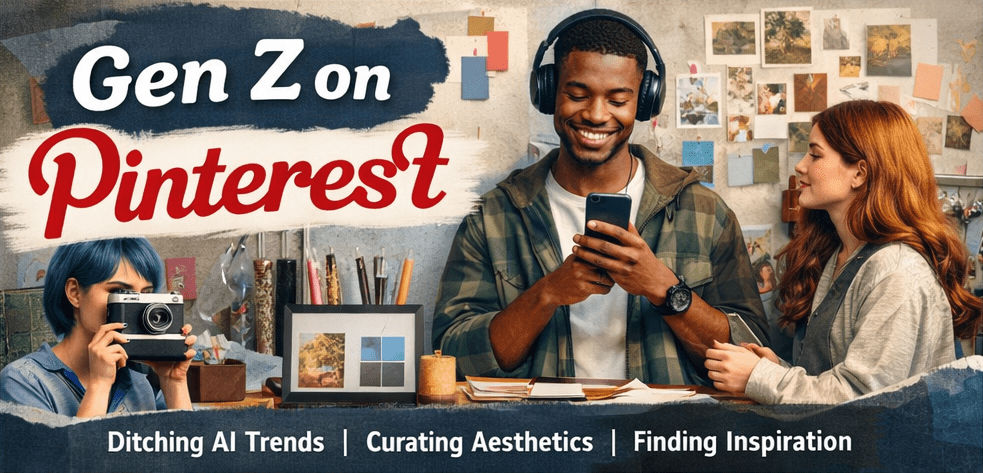
Pinterest just dropped some cool insights on how Gen Z is using the platform to rediscover their taste in a world full of AI and copy-cat trends. This isn’t just social media talk — it’s a real shift in how young people explore ideas, define themselves, and make decisions online. 

Why This Matters

Gen Z — that group born roughly between 1996 and 2010 — is now the biggest group on Pinterest, and their habits are shaping how the platform works and how brands should show up. (Pinterest)

These young folks grew up with TikTok, Instagram, AI tools, and tons of algorithm feeds telling them what to like. But guess what? They’re kind of over it. They want real inspiration, not automatic suggestions or “everyone’s doing this” content. (Social Media Today)

1. Gen Z Is Rejecting the AI Feed Loop

Algorithms and AI tools tell you what to watch, wear, or want — but that can blur individual taste. Many Gen Z users say they don’t even know what they like anymore after just following all that automated “must-see” stuff. (Pinterest)

So they’re choosing a different path: they want content that helps them explore who they are, not what AI thinks they should be into. (Social Media Today)

2. Identity Through Aesthetics (Not Trends)

Gen Z isn’t into one-size-fits-all trends anymore. Instead, they’re:

  • Making tiny, niche aesthetics based on mood or vibe
  • Mixing styles that feel true to them
  • Avoiding “trend burnout” by putting their own spin on things

That means Pinterest boards that feel personal — like “Cool Blue,” “Dark Academia,” or whatever unique mashup they dream up next. (Pinterest)

They aren’t just scrolling. They’re actively curating their identity. That’s powerful. (Diary Directory)

3. Visual-First = Better Decision Making

Gen Z grew up with screens in their hands, so they don’t want long blocks of text. They want visuals — fast.

Pinterest is visual first, meaning it helps people see, compare, and feel an idea before they commit. That’s part of why 69% of Gen Z say imagery helps more than text or reviews when making decisions. (Pinterest)

4. Safe Space for Exploration

Unlike some platforms that feel loud, judgmental, or purely engagement-driven, Gen Z describes Pinterest as less performative and more intentional. They feel comfortable trying ideas, crafting boards, and changing their minds — without pressure. (Pinterest)

So instead of scrolling endlessly, they’re exploring at their own pace — and that’s refreshing. It’s anti-doom scroll, if you think about it. (Pinterest)

5. What This Means for Brands

If you’re creating on Pinterest, this shift is a big deal:

  • Be part of their story: Gen Z isn’t there for ads that interrupt. They want inspiration that fits their taste journey. (Pinterest)
  • Support individuality: Pins that help users make choices feel more meaningful than ones that push “trending” products. (Pinterest)
  • Think visual first: Strong visuals help Gen Z decide what fits their vibe faster. (Social Media Today)

At the end of the day, Gen Z on Pinterest isn’t just browsing — they’re finding themselves through what they save and explore. That’s pure gold if you’re trying to connect in a real way.

📌 DON’T FORGET TO PIN IT!
Pinterest Predicts 2026: The Trends Service Providers Should Use to Grow Faster Next Year

a bunch of pinterest for the blog Pinterest Predicts 2026: The Trends Service Providers Should Use to Grow Faster Next Year<br />

Pinterest Predicts 2026: The Trends Service Providers Should Use to Grow Faster Next Year

Hey — let’s get this party started! Pinterest just dropped their 2026 trend report, and honestly… it’s good. Like, really good. If you want your content to stand out next year, stay ahead of the curve, and actually create posts people are searching for, you’re in the right place.

I’m Jen, and I help service providers get more leads without posting every single day. I’ve used Pinterest since the invite-only beta days back in 2009, and I’ve seen firsthand how predictable this platform is when you understand search behavior.

This year’s report centers on three major themes: non-conformity, self-preservation, and escapism + play — which makes total sense because people want comfort, joy, and identity more than ever.

Let’s dig in.

What Is Pinterest Predicts (and Why It’s a Big Deal)?

Pinterest Predicts is Pinterest’s annual trend forecast built from real user behavior — not opinions, not vibes, not a random brainstorm. They analyze billions of searches and saves to spot what’s rising across beauty, home, food, fashion, travel, and lifestyle.

They look at:

  • What people are searching for
  • What they’re saving
  • What’s rising month over month
  • What’s becoming a global trend

And here’s the kicker — Pinterest has been accurate 80% of the time over the past few years. So when they say something is trending… it’s coming.

For service providers, that means this report is basically your shortcut to:

  • Knowing what visuals and topics will take off next year
  • Planning content before the trends hit the mainstream
  • Creating pins, blogs, and videos people are already curious about
  • Building offers aligned with what your future clients want

This is the good stuff.

Pinterest Predicts 2026 — All 21 Trends with Better Descriptions

Here are the full trends directly from Pinterest’s 2026 report, rewritten to be simple, clear, and helpful for your audience.

1. Cool Blue

Soft, icy, glacier-inspired blues showing up in beauty, weddings, drinks, events, and home. Calm, clean, almost futuristic. Great if you want your brand to feel fresh, clear, and grounded.

2. Gimme Gummy

A full-on texture moment. Think squishy, jelly, rubbery, glossy shapes — nails, phone cases, packaging, beauty looks. Perfect if you create fun, playful, sensory content or want your visuals to feel “touchable.”

3. Vamp Romantic

Moody, dark, emotional romance vibes. Deep reds, lace, candlelight, vintage glam, almost gothic but pretty. Fantastic for photographers, beauty pros, and anyone leaning into dramatic, emotional storytelling.

4. Neo Deco

A bold, glam revival of Art Deco: sleek geometry, chrome and brass, sharp lines, rich tones. Shows up in interiors, weddings, brand design, and events. Great if you want your brand to feel luxe, polished, and a little extra.

5. Pen Pals

Analog connection is back: letter writing, pretty stationery, filled-out postcards, journaling, and slow, intentional notes. Perfect for coaches, therapists, organizers, or anyone who talks about reflection, habits, or slowing down.

6. Darecations

Travel for the thrill, not just the rest. Think rafting, canyons, racing, adventure sports, and “I did something big” trips. Great for travel pros, retreat hosts, coaches, or anyone tying growth to courage and adventure.

7. Glamoratti

Maximalist ’80s glam: sequins, sparkle, big silhouettes, bold color, “too much” in a fun way. Amazing for event pros, brand photographers, and style experts who love bold, statement visuals.

8. Wilderkind

Delicate animal + nature aesthetic — butterflies, soft creature prints, subtle animal motifs, forest elements. Lovely for kids brands, family photographers, nature-inspired businesses, and soft storytelling visuals.

9. Laced Up

Doilies, lace, delicate trims, crochet, and old-school textile details. This shows up in fashion, table styling, weddings, and home. Great for brands that lean soft, romantic, sentimental, or vintage.

10. Brooched

Vintage brooches and pins as the star accessory — on blazers, hats, coats, bags, even hair. Nostalgic but playful. Stylists, photographers, and fashion/branding pros can have a lot of fun with this.

11. Glitchy Glam

Beauty and visuals that “miss the mark” on purpose — mismatched eyeliner, off-center shapes, broken graphics, distorted filters. Ideal for creators who want to talk about perfectionism, creativity, or embracing the mess.

IMAGE FOR BLOG Pinterest Predicts 2026: The Trends Service Providers Should Use to Grow Faster Next Year<br />
Pinterest Predicts 2026: The Trends Service Providers Should Use to Grow Faster Next Year<br />
Pinterest Predicts 2026: The Trends Service Providers Should Use to Grow Faster Next Year
Pinterest Predicts 2026: The Trends Service Providers Should Use to Grow Faster Next Year<br />

Need Help?

If you want help with Pinterest next year, you’ve got two options:

Done-for-you management: We design your pins, set your strategy, and post everything for you so you don’t have to lift a finger.

DIY inside The Club: Templates, coaching, support, and simple step-by-step help to keep you consistent without burning out.  Come on in — it’s so much fun and it’s the easiest way to build a lead system you can trust.

Pinterest Predicts 2026: The Trends Service Providers Should Use to Grow Faster Next Year<br />

12. Afrohemian Decor

Bold, bright, natural decor that blends African and boho — think woven baskets, rich prints, cultural textiles, plants, and layered textures. Perfect for home-focused brands, photographers, or anyone leaning into warm, cultural, lived-in spaces.

13. Mystic Outlands

Fairytale meets fever dream: misty forests, castles, glowing mushrooms, moody landscapes, fantasy travel. Great for retreats, travel brands, spiritual/wellness businesses, and magical brand visuals.

14. FunHaus

Elevated circus energy — stripes, bold shapes, playful layouts, “big top” vibes without looking like a kids’ party. Amazing for brands that want to feel fun, quirky, and slightly chaotic in a good way.

15. Poetcore

Soft, bookish, writer energy — journals, fountain pens, stacks of books, cozy nooks, long coats, satchels. Ideal for copywriters, coaches, educators, and anyone whose brand leans thoughtful, introspective, or quietly powerful.

16. Throwback Kid

Nostalgic kids’ outfits and toys inspired by past decades. Simple play, bold colors, classic shapes. Perfect for family photographers, educators, kid-focused businesses, and brands talking to millennial parents.

17. Scent Stacking

Layered fragrances instead of one “signature” scent — people building custom combos with mists, perfumes, oils. Nice hook for beauty pros, self-care brands, and anyone talking about “building your unique vibe.”

18. Cabbage Crush

Cabbage is the new cauliflower. Tacos, dumplings, kimchi, slaws, soups, roasted sides — budget-friendly, pretty, and versatile. Great for wellness pros, nutritionists, food creators, or anyone using food in content.

19. Opera Aesthetic

Opulent, dramatic, night-at-the-opera energy. Floor-length dresses, velvet, pearls, gloves, dramatic lighting. Perfect for luxury brands, photographers, event pros, and anyone leaning glamorous.

20. Khaki Coded

Desert-inspired utility style — khaki, sand tones, structured outerwear, pockets, cargo, and field details. Great for brands that want to feel grounded, capable, practical, and outdoorsy.

21. Extra Celestial

Sci-fi inspired looks and environments — holographic textures, space-y shapes, metallic touches, “straight out of a sci-fi movie” visuals. Ideal for tech, creative businesses, futurist brands, or anyone playing with bold, dreamy visuals.

Why Service-Based Businesses Should Care

If you want leads in 2026, here’s the simple truth:

Trends influence what people click.
Clicks turn into traffic.
Traffic turns into leads.

Pinterest is a search engine — like Google — so it knows what people are thinking about and planning next. This isn’t “cute ideas for a vision board.” This is user intent.

Here’s why it matters for your business:

You can stand out with fresh, on-trend visuals

Small shifts — colors, shapes, textures — make your pins feel new and clickable.

You understand what people will be searching for

This helps you create content that answers the demand before it spikes.

You build offers, blogs, and videos aligned with what people want

Your content becomes “yes, THAT’S it” instead of “ehhh, maybe later.”

You position your brand as the one who “gets it”

You don’t need to follow all 21 trends.
Just pick a few that feel like you!

12. Afrohemian Decor Bold, bright, natural decor that blends African and boho — think woven baskets, rich prints, cultural textiles, plants, and layered textures. Perfect for home-focused brands, photographers, or anyone leaning into warm, cultural, lived-in spaces. 13. Mystic Outlands Fairytale meets fever dream: misty forests, castles, glowing mushrooms, moody landscapes, fantasy travel. Great for retreats, travel brands, spiritual/wellness businesses, and magical brand visuals. 14. FunHaus Elevated circus energy — stripes, bold shapes, playful layouts, “big top” vibes without looking like a kids’ party. Amazing for brands that want to feel fun, quirky, and slightly chaotic in a good way. 15. Poetcore Soft, bookish, writer energy — journals, fountain pens, stacks of books, cozy nooks, long coats, satchels. Ideal for copywriters, coaches, educators, and anyone whose brand leans thoughtful, introspective, or quietly powerful. 16. Throwback Kid Nostalgic kids’ outfits and toys inspired by past decades. Simple play, bold colors, classic shapes. Perfect for family photographers, educators, kid-focused businesses, and brands talking to millennial parents. 17. Scent Stacking Layered fragrances instead of one “signature” scent — people building custom combos with mists, perfumes, oils. Nice hook for beauty pros, self-care brands, and anyone talking about “building your unique vibe.” 18. Cabbage Crush Cabbage is the new cauliflower. Tacos, dumplings, kimchi, slaws, soups, roasted sides — budget-friendly, pretty, and versatile. Great for wellness pros, nutritionists, food creators, or anyone using food in content. 19. Opera Aesthetic Opulent, dramatic, night-at-the-opera energy. Floor-length dresses, velvet, pearls, gloves, dramatic lighting. Perfect for luxury brands, photographers, event pros, and anyone leaning glamorous. 20. Khaki Coded Desert-inspired utility style — khaki, sand tones, structured outerwear, pockets, cargo, and field details. Great for brands that want to feel grounded, capable, practical, and outdoorsy. 21. Extra Celestial Sci-fi inspired looks and environments — holographic textures, space-y shapes, metallic touches, “straight out of a sci-fi movie” visuals. Ideal for tech, creative businesses, futurist brands, or anyone playing with bold, dreamy visuals. Why Service-Based Businesses Should Care If you want leads in 2026, here’s the simple truth: Trends influence what people click. Clicks turn into traffic. Traffic turns into leads. Pinterest is a search engine — like Google — so it knows what people are thinking about and planning next. This isn’t “cute ideas for a vision board.” This is user intent. Here’s why it matters for your business: You can stand out with fresh, on-trend visuals Small shifts — colors, shapes, textures — make your pins feel new and clickable. You understand what people will be searching for This helps you create content that answers the demand before it spikes. You build offers, blogs, and videos aligned with what people want Your content becomes “yes, THAT’S it” instead of “ehhh, maybe later.” You position your brand as the one who “gets it” You don’t need to follow all 21 trends. Just pick a few that feel like you. Quick + Easy Ways Service Providers Can Use These Trends Don’t worry — you don’t need a full rebrand or a huge overhaul. Tiny shifts can make your brand feel current, fresh, and super clickable next year. Here are simple ways to use these 2026 trends in your business: Update Your Brand Visuals (Without Starting Over) You can add small touches from these trends to refresh your look: Use Cool Blue, Poetcore neutrals, or Neo Deco gold tones for header graphics, buttons, or banners. Try Fun Haus or Gimme Gummy shapes for playful backgrounds or pop-out elements. Incorporate Extra Celestial sparkles or soft gradients in highlight covers or Canva templates. These are tiny updates that make your brand feel aligned with where your audience is going. Refresh Your Website for 2026 A few simple swaps go a long way: Replace outdated stock photos with nature-forward, Wilderkind-inspired images or soft, airy Cool Blue photos. Add lace textures (Laced Up) or minimal Deco lines (Neo Deco) as subtle accents on section dividers. Use handwritten fonts or stationery-inspired elements (Pen Pals) for testimonials or blog graphics. Your site will feel modern without losing your core brand. Give Your Social Content a Trendy Twist You don’t need new ideas — just new styling: Try “perfectly imperfect” layouts for Reels or carousels inspired by Glitchy Glam. Use Throwback Kid nostalgia for before/after posts, storytelling, or brand history content. Add Opera Aesthetic drama (rich colors, bold type) to promo graphics or launch slides. Make fun, playful visuals using Fun Haus stripes or shapes. These small updates help your posts blend in with what people are already loving. Refresh Your Pinterest Strategy Pinterest LOVES trends — so give the algorithm what it wants. Build themed boards around trends your clients might search: Cool Blue Weddings, Poetcore Branding, Afrohemian Home Office Inspiration, or Adventure Sessions (Darecation). Use trend language in your pin titles and descriptions to match search intent. Add trend-inspired backgrounds or overlays to your pin templates. This makes your content more discoverable right away. Inspire Your Client Work These trends work great for photographers, coaches, wedding pros, designers, and creative service providers. Photographers → offer mini sessions with Opera Aesthetic, Extra Celestial, Poetcore, or Cool Blue styling. Wedding pros → create planning guides tied to Neo Deco, Extra Celestial, Cool Blue, or Laced Up themes. Coaches → use Pen Pals or Poetcore vibes for journaling prompts or mindset content. Designers → use Afrohemian, Neo Deco, or Hypertek palettes in branding projects. You get to show that your work is current and deeply in tune with what people want. Create Trend-Based Lead Magnets or Content A few ideas you can make in an afternoon: A “2026 Trend Mood Board” for your niche A guide: “How to Use Pinterest Trends in Your Service-Based Business” A Reel series where each video breaks down a trend in 20 seconds A blog on “Which 2026 Trend Fits Your Brand Personality?” People LOVE trend content because it’s easy to understand and fun to share. Don’t forget: Tiny tweaks create big reach. I want to thank Pinterest for compiling all this date Pinterest Predicts 2026: https://business.pinterest.com/pinterest-predicts/ Tactical Tips: https://business.pinterest.com/pinterest-predicts/for-businesses/#get-tactical-tips Playbook: https://business.pinterest.com/pdf/pinterest-predicts/2026-marketing-playbook/

Quick + Easy Ways Service Providers Can Use These Trends

Don’t worry — you don’t need a full rebrand or a huge overhaul. Tiny shifts can make your brand feel current, fresh, and super clickable next year.

Here are simple ways to use these 2026 trends in your business:

Update Your Brand Visuals (Without Starting Over)

You can add small touches from these trends to refresh your look:

  • Use Cool Blue, Poetcore neutrals, or Neo Deco gold tones for header graphics, buttons, or banners.
  • Try Fun Haus or Gimme Gummy shapes for playful backgrounds or pop-out elements.
  • Incorporate Extra Celestial sparkles or soft gradients in highlight covers or Canva templates.

These are tiny updates that make your brand feel aligned with where your audience is going.

Refresh Your Website for 2026

A few simple swaps go a long way:

  • Replace outdated stock photos with nature-forward, Wilderkind-inspired images or soft, airy Cool Blue photos.
  • Add lace textures (Laced Up) or minimal Deco lines (Neo Deco) as subtle accents on section dividers.
  • Use handwritten fonts or stationery-inspired elements (Pen Pals) for testimonials or blog graphics.

Your site will feel modern without losing your core brand.

Give Your Social Content a Trendy Twist

You don’t need new ideas — just new styling:

  • Try “perfectly imperfect” layouts for Reels or carousels inspired by Glitchy Glam.
  • Use Throwback Kid nostalgia for before/after posts, storytelling, or brand history content.
  • Add Opera Aesthetic drama (rich colors, bold type) to promo graphics or launch slides.
  • Make fun, playful visuals using Fun Haus stripes or shapes.

These small updates help your posts blend in with what people are already loving.

Refresh Your Pinterest Strategy

Pinterest LOVES trends — so give the algorithm what it wants.

  • Build themed boards around trends your clients might search: Cool Blue Weddings, Poetcore Branding, Afrohemian Home Office Inspiration, or Adventure Sessions (Darecation).
  • Use trend language in your pin titles and descriptions to match search intent.
  • Add trend-inspired backgrounds or overlays to your pin templates.

This makes your content more discoverable right away.

Inspire Your Client Work

These trends work great for photographers, coaches, wedding pros, designers, and creative service providers.

  • Photographers → offer mini sessions with Opera Aesthetic, Extra Celestial, Poetcore, or Cool Blue styling.
  • Wedding pros → create planning guides tied to Neo Deco, Extra Celestial, Cool Blue, or Laced Up themes.
  • Coaches → use Pen Pals or Poetcore vibes for journaling prompts or mindset content.
  • Designers → use Afrohemian, Neo Deco, or Hypertek palettes in branding projects.

You get to show that your work is current and deeply in tune with what people want.

Create Trend-Based Lead Magnets or Content

A few ideas you can make in an afternoon:

  • A “2026 Trend Mood Board” for your niche
  • A guide: “How to Use Pinterest Trends in Your Service-Based Business”
  • A Reel series where each video breaks down a trend in 20 seconds
  • A blog on “Which 2026 Trend Fits Your Brand Personality?”

People LOVE trend content because it’s easy to understand and fun to share.  Don’t forget: Tiny tweaks create big reach.

I want to thank Pinterest for compiling all this date

Pinterest Predicts 2026: https://business.pinterest.com/pinterest-predicts/ 

Tactical Tips: https://business.pinterest.com/pinterest-predicts/for-businesses/#get-tactical-tips 

Playbook: https://business.pinterest.com/pdf/pinterest-predicts/2026-marketing-playbook/ 

📌 DON’T FORGET TO PIN IT!

Pinterest Predicts 2026: The Trends Service Providers Should Use to Grow Faster Next Year<br />
Pinterest Predicts 2026: The Trends Service Providers Should Use to Grow Faster Next Year