Pinterest Predicts 2026: The Trends Service Providers Should Use to Grow Faster Next Year

a bunch of pinterest for the blog Pinterest Predicts 2026: The Trends Service Providers Should Use to Grow Faster Next Year<br />

Pinterest Predicts 2026: The Trends Service Providers Should Use to Grow Faster Next Year

Hey — let’s get this party started! Pinterest just dropped their 2026 trend report, and honestly… it’s good. Like, really good. If you want your content to stand out next year, stay ahead of the curve, and actually create posts people are searching for, you’re in the right place.

I’m Jen, and I help service providers get more leads without posting every single day. I’ve used Pinterest since the invite-only beta days back in 2009, and I’ve seen firsthand how predictable this platform is when you understand search behavior.

This year’s report centers on three major themes: non-conformity, self-preservation, and escapism + play — which makes total sense because people want comfort, joy, and identity more than ever.

Let’s dig in.

What Is Pinterest Predicts (and Why It’s a Big Deal)?

Pinterest Predicts is Pinterest’s annual trend forecast built from real user behavior — not opinions, not vibes, not a random brainstorm. They analyze billions of searches and saves to spot what’s rising across beauty, home, food, fashion, travel, and lifestyle.

They look at:

  • What people are searching for
  • What they’re saving
  • What’s rising month over month
  • What’s becoming a global trend

And here’s the kicker — Pinterest has been accurate 80% of the time over the past few years. So when they say something is trending… it’s coming.

For service providers, that means this report is basically your shortcut to:

  • Knowing what visuals and topics will take off next year
  • Planning content before the trends hit the mainstream
  • Creating pins, blogs, and videos people are already curious about
  • Building offers aligned with what your future clients want

This is the good stuff.

Pinterest Predicts 2026 — All 21 Trends with Better Descriptions

Here are the full trends directly from Pinterest’s 2026 report, rewritten to be simple, clear, and helpful for your audience.

1. Cool Blue

Soft, icy, glacier-inspired blues showing up in beauty, weddings, drinks, events, and home. Calm, clean, almost futuristic. Great if you want your brand to feel fresh, clear, and grounded.

2. Gimme Gummy

A full-on texture moment. Think squishy, jelly, rubbery, glossy shapes — nails, phone cases, packaging, beauty looks. Perfect if you create fun, playful, sensory content or want your visuals to feel “touchable.”

3. Vamp Romantic

Moody, dark, emotional romance vibes. Deep reds, lace, candlelight, vintage glam, almost gothic but pretty. Fantastic for photographers, beauty pros, and anyone leaning into dramatic, emotional storytelling.

4. Neo Deco

A bold, glam revival of Art Deco: sleek geometry, chrome and brass, sharp lines, rich tones. Shows up in interiors, weddings, brand design, and events. Great if you want your brand to feel luxe, polished, and a little extra.

5. Pen Pals

Analog connection is back: letter writing, pretty stationery, filled-out postcards, journaling, and slow, intentional notes. Perfect for coaches, therapists, organizers, or anyone who talks about reflection, habits, or slowing down.

6. Darecations

Travel for the thrill, not just the rest. Think rafting, canyons, racing, adventure sports, and “I did something big” trips. Great for travel pros, retreat hosts, coaches, or anyone tying growth to courage and adventure.

7. Glamoratti

Maximalist ’80s glam: sequins, sparkle, big silhouettes, bold color, “too much” in a fun way. Amazing for event pros, brand photographers, and style experts who love bold, statement visuals.

8. Wilderkind

Delicate animal + nature aesthetic — butterflies, soft creature prints, subtle animal motifs, forest elements. Lovely for kids brands, family photographers, nature-inspired businesses, and soft storytelling visuals.

9. Laced Up

Doilies, lace, delicate trims, crochet, and old-school textile details. This shows up in fashion, table styling, weddings, and home. Great for brands that lean soft, romantic, sentimental, or vintage.

10. Brooched

Vintage brooches and pins as the star accessory — on blazers, hats, coats, bags, even hair. Nostalgic but playful. Stylists, photographers, and fashion/branding pros can have a lot of fun with this.

11. Glitchy Glam

Beauty and visuals that “miss the mark” on purpose — mismatched eyeliner, off-center shapes, broken graphics, distorted filters. Ideal for creators who want to talk about perfectionism, creativity, or embracing the mess.

IMAGE FOR BLOG Pinterest Predicts 2026: The Trends Service Providers Should Use to Grow Faster Next Year<br />
Pinterest Predicts 2026: The Trends Service Providers Should Use to Grow Faster Next Year<br />
Pinterest Predicts 2026: The Trends Service Providers Should Use to Grow Faster Next Year
Pinterest Predicts 2026: The Trends Service Providers Should Use to Grow Faster Next Year<br />

Need Help?

If you want help with Pinterest next year, you’ve got two options:

Done-for-you management: We design your pins, set your strategy, and post everything for you so you don’t have to lift a finger.

DIY inside The Club: Templates, coaching, support, and simple step-by-step help to keep you consistent without burning out.  Come on in — it’s so much fun and it’s the easiest way to build a lead system you can trust.

Pinterest Predicts 2026: The Trends Service Providers Should Use to Grow Faster Next Year<br />

12. Afrohemian Decor

Bold, bright, natural decor that blends African and boho — think woven baskets, rich prints, cultural textiles, plants, and layered textures. Perfect for home-focused brands, photographers, or anyone leaning into warm, cultural, lived-in spaces.

13. Mystic Outlands

Fairytale meets fever dream: misty forests, castles, glowing mushrooms, moody landscapes, fantasy travel. Great for retreats, travel brands, spiritual/wellness businesses, and magical brand visuals.

14. FunHaus

Elevated circus energy — stripes, bold shapes, playful layouts, “big top” vibes without looking like a kids’ party. Amazing for brands that want to feel fun, quirky, and slightly chaotic in a good way.

15. Poetcore

Soft, bookish, writer energy — journals, fountain pens, stacks of books, cozy nooks, long coats, satchels. Ideal for copywriters, coaches, educators, and anyone whose brand leans thoughtful, introspective, or quietly powerful.

16. Throwback Kid

Nostalgic kids’ outfits and toys inspired by past decades. Simple play, bold colors, classic shapes. Perfect for family photographers, educators, kid-focused businesses, and brands talking to millennial parents.

17. Scent Stacking

Layered fragrances instead of one “signature” scent — people building custom combos with mists, perfumes, oils. Nice hook for beauty pros, self-care brands, and anyone talking about “building your unique vibe.”

18. Cabbage Crush

Cabbage is the new cauliflower. Tacos, dumplings, kimchi, slaws, soups, roasted sides — budget-friendly, pretty, and versatile. Great for wellness pros, nutritionists, food creators, or anyone using food in content.

19. Opera Aesthetic

Opulent, dramatic, night-at-the-opera energy. Floor-length dresses, velvet, pearls, gloves, dramatic lighting. Perfect for luxury brands, photographers, event pros, and anyone leaning glamorous.

20. Khaki Coded

Desert-inspired utility style — khaki, sand tones, structured outerwear, pockets, cargo, and field details. Great for brands that want to feel grounded, capable, practical, and outdoorsy.

21. Extra Celestial

Sci-fi inspired looks and environments — holographic textures, space-y shapes, metallic touches, “straight out of a sci-fi movie” visuals. Ideal for tech, creative businesses, futurist brands, or anyone playing with bold, dreamy visuals.

Why Service-Based Businesses Should Care

If you want leads in 2026, here’s the simple truth:

Trends influence what people click.
Clicks turn into traffic.
Traffic turns into leads.

Pinterest is a search engine — like Google — so it knows what people are thinking about and planning next. This isn’t “cute ideas for a vision board.” This is user intent.

Here’s why it matters for your business:

You can stand out with fresh, on-trend visuals

Small shifts — colors, shapes, textures — make your pins feel new and clickable.

You understand what people will be searching for

This helps you create content that answers the demand before it spikes.

You build offers, blogs, and videos aligned with what people want

Your content becomes “yes, THAT’S it” instead of “ehhh, maybe later.”

You position your brand as the one who “gets it”

You don’t need to follow all 21 trends.
Just pick a few that feel like you!

12. Afrohemian Decor Bold, bright, natural decor that blends African and boho — think woven baskets, rich prints, cultural textiles, plants, and layered textures. Perfect for home-focused brands, photographers, or anyone leaning into warm, cultural, lived-in spaces. 13. Mystic Outlands Fairytale meets fever dream: misty forests, castles, glowing mushrooms, moody landscapes, fantasy travel. Great for retreats, travel brands, spiritual/wellness businesses, and magical brand visuals. 14. FunHaus Elevated circus energy — stripes, bold shapes, playful layouts, “big top” vibes without looking like a kids’ party. Amazing for brands that want to feel fun, quirky, and slightly chaotic in a good way. 15. Poetcore Soft, bookish, writer energy — journals, fountain pens, stacks of books, cozy nooks, long coats, satchels. Ideal for copywriters, coaches, educators, and anyone whose brand leans thoughtful, introspective, or quietly powerful. 16. Throwback Kid Nostalgic kids’ outfits and toys inspired by past decades. Simple play, bold colors, classic shapes. Perfect for family photographers, educators, kid-focused businesses, and brands talking to millennial parents. 17. Scent Stacking Layered fragrances instead of one “signature” scent — people building custom combos with mists, perfumes, oils. Nice hook for beauty pros, self-care brands, and anyone talking about “building your unique vibe.” 18. Cabbage Crush Cabbage is the new cauliflower. Tacos, dumplings, kimchi, slaws, soups, roasted sides — budget-friendly, pretty, and versatile. Great for wellness pros, nutritionists, food creators, or anyone using food in content. 19. Opera Aesthetic Opulent, dramatic, night-at-the-opera energy. Floor-length dresses, velvet, pearls, gloves, dramatic lighting. Perfect for luxury brands, photographers, event pros, and anyone leaning glamorous. 20. Khaki Coded Desert-inspired utility style — khaki, sand tones, structured outerwear, pockets, cargo, and field details. Great for brands that want to feel grounded, capable, practical, and outdoorsy. 21. Extra Celestial Sci-fi inspired looks and environments — holographic textures, space-y shapes, metallic touches, “straight out of a sci-fi movie” visuals. Ideal for tech, creative businesses, futurist brands, or anyone playing with bold, dreamy visuals. Why Service-Based Businesses Should Care If you want leads in 2026, here’s the simple truth: Trends influence what people click. Clicks turn into traffic. Traffic turns into leads. Pinterest is a search engine — like Google — so it knows what people are thinking about and planning next. This isn’t “cute ideas for a vision board.” This is user intent. Here’s why it matters for your business: You can stand out with fresh, on-trend visuals Small shifts — colors, shapes, textures — make your pins feel new and clickable. You understand what people will be searching for This helps you create content that answers the demand before it spikes. You build offers, blogs, and videos aligned with what people want Your content becomes “yes, THAT’S it” instead of “ehhh, maybe later.” You position your brand as the one who “gets it” You don’t need to follow all 21 trends. Just pick a few that feel like you. Quick + Easy Ways Service Providers Can Use These Trends Don’t worry — you don’t need a full rebrand or a huge overhaul. Tiny shifts can make your brand feel current, fresh, and super clickable next year. Here are simple ways to use these 2026 trends in your business: Update Your Brand Visuals (Without Starting Over) You can add small touches from these trends to refresh your look: Use Cool Blue, Poetcore neutrals, or Neo Deco gold tones for header graphics, buttons, or banners. Try Fun Haus or Gimme Gummy shapes for playful backgrounds or pop-out elements. Incorporate Extra Celestial sparkles or soft gradients in highlight covers or Canva templates. These are tiny updates that make your brand feel aligned with where your audience is going. Refresh Your Website for 2026 A few simple swaps go a long way: Replace outdated stock photos with nature-forward, Wilderkind-inspired images or soft, airy Cool Blue photos. Add lace textures (Laced Up) or minimal Deco lines (Neo Deco) as subtle accents on section dividers. Use handwritten fonts or stationery-inspired elements (Pen Pals) for testimonials or blog graphics. Your site will feel modern without losing your core brand. Give Your Social Content a Trendy Twist You don’t need new ideas — just new styling: Try “perfectly imperfect” layouts for Reels or carousels inspired by Glitchy Glam. Use Throwback Kid nostalgia for before/after posts, storytelling, or brand history content. Add Opera Aesthetic drama (rich colors, bold type) to promo graphics or launch slides. Make fun, playful visuals using Fun Haus stripes or shapes. These small updates help your posts blend in with what people are already loving. Refresh Your Pinterest Strategy Pinterest LOVES trends — so give the algorithm what it wants. Build themed boards around trends your clients might search: Cool Blue Weddings, Poetcore Branding, Afrohemian Home Office Inspiration, or Adventure Sessions (Darecation). Use trend language in your pin titles and descriptions to match search intent. Add trend-inspired backgrounds or overlays to your pin templates. This makes your content more discoverable right away. Inspire Your Client Work These trends work great for photographers, coaches, wedding pros, designers, and creative service providers. Photographers → offer mini sessions with Opera Aesthetic, Extra Celestial, Poetcore, or Cool Blue styling. Wedding pros → create planning guides tied to Neo Deco, Extra Celestial, Cool Blue, or Laced Up themes. Coaches → use Pen Pals or Poetcore vibes for journaling prompts or mindset content. Designers → use Afrohemian, Neo Deco, or Hypertek palettes in branding projects. You get to show that your work is current and deeply in tune with what people want. Create Trend-Based Lead Magnets or Content A few ideas you can make in an afternoon: A “2026 Trend Mood Board” for your niche A guide: “How to Use Pinterest Trends in Your Service-Based Business” A Reel series where each video breaks down a trend in 20 seconds A blog on “Which 2026 Trend Fits Your Brand Personality?” People LOVE trend content because it’s easy to understand and fun to share. Don’t forget: Tiny tweaks create big reach. I want to thank Pinterest for compiling all this date Pinterest Predicts 2026: https://business.pinterest.com/pinterest-predicts/ Tactical Tips: https://business.pinterest.com/pinterest-predicts/for-businesses/#get-tactical-tips Playbook: https://business.pinterest.com/pdf/pinterest-predicts/2026-marketing-playbook/

Quick + Easy Ways Service Providers Can Use These Trends

Don’t worry — you don’t need a full rebrand or a huge overhaul. Tiny shifts can make your brand feel current, fresh, and super clickable next year.

Here are simple ways to use these 2026 trends in your business:

Update Your Brand Visuals (Without Starting Over)

You can add small touches from these trends to refresh your look:

  • Use Cool Blue, Poetcore neutrals, or Neo Deco gold tones for header graphics, buttons, or banners.
  • Try Fun Haus or Gimme Gummy shapes for playful backgrounds or pop-out elements.
  • Incorporate Extra Celestial sparkles or soft gradients in highlight covers or Canva templates.

These are tiny updates that make your brand feel aligned with where your audience is going.

Refresh Your Website for 2026

A few simple swaps go a long way:

  • Replace outdated stock photos with nature-forward, Wilderkind-inspired images or soft, airy Cool Blue photos.
  • Add lace textures (Laced Up) or minimal Deco lines (Neo Deco) as subtle accents on section dividers.
  • Use handwritten fonts or stationery-inspired elements (Pen Pals) for testimonials or blog graphics.

Your site will feel modern without losing your core brand.

Give Your Social Content a Trendy Twist

You don’t need new ideas — just new styling:

  • Try “perfectly imperfect” layouts for Reels or carousels inspired by Glitchy Glam.
  • Use Throwback Kid nostalgia for before/after posts, storytelling, or brand history content.
  • Add Opera Aesthetic drama (rich colors, bold type) to promo graphics or launch slides.
  • Make fun, playful visuals using Fun Haus stripes or shapes.

These small updates help your posts blend in with what people are already loving.

Refresh Your Pinterest Strategy

Pinterest LOVES trends — so give the algorithm what it wants.

  • Build themed boards around trends your clients might search: Cool Blue Weddings, Poetcore Branding, Afrohemian Home Office Inspiration, or Adventure Sessions (Darecation).
  • Use trend language in your pin titles and descriptions to match search intent.
  • Add trend-inspired backgrounds or overlays to your pin templates.

This makes your content more discoverable right away.

Inspire Your Client Work

These trends work great for photographers, coaches, wedding pros, designers, and creative service providers.

  • Photographers → offer mini sessions with Opera Aesthetic, Extra Celestial, Poetcore, or Cool Blue styling.
  • Wedding pros → create planning guides tied to Neo Deco, Extra Celestial, Cool Blue, or Laced Up themes.
  • Coaches → use Pen Pals or Poetcore vibes for journaling prompts or mindset content.
  • Designers → use Afrohemian, Neo Deco, or Hypertek palettes in branding projects.

You get to show that your work is current and deeply in tune with what people want.

Create Trend-Based Lead Magnets or Content

A few ideas you can make in an afternoon:

  • A “2026 Trend Mood Board” for your niche
  • A guide: “How to Use Pinterest Trends in Your Service-Based Business”
  • A Reel series where each video breaks down a trend in 20 seconds
  • A blog on “Which 2026 Trend Fits Your Brand Personality?”

People LOVE trend content because it’s easy to understand and fun to share.  Don’t forget: Tiny tweaks create big reach.

I want to thank Pinterest for compiling all this date

Pinterest Predicts 2026: https://business.pinterest.com/pinterest-predicts/ 

Tactical Tips: https://business.pinterest.com/pinterest-predicts/for-businesses/#get-tactical-tips 

Playbook: https://business.pinterest.com/pdf/pinterest-predicts/2026-marketing-playbook/ 

📌 DON’T FORGET TO PIN IT!

Pinterest Predicts 2026: The Trends Service Providers Should Use to Grow Faster Next Year<br />
Pinterest Predicts 2026: The Trends Service Providers Should Use to Grow Faster Next Year

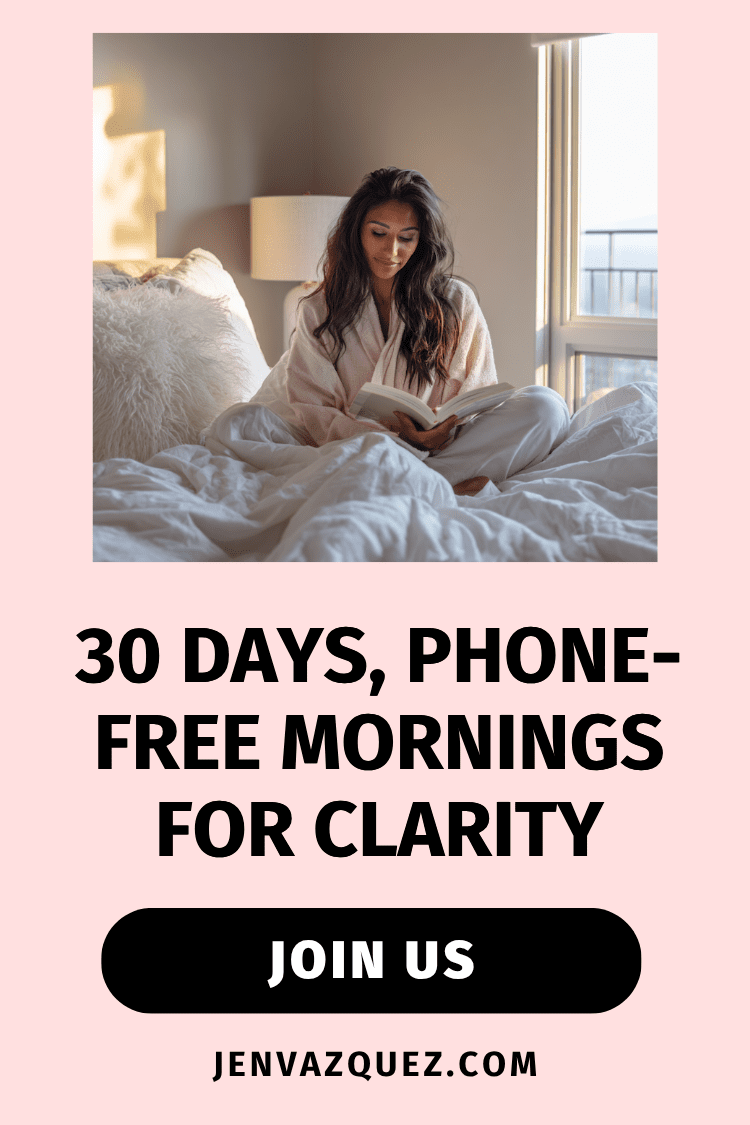
Try Jeff Bezos’ 1-Hour Morning Rule with Us: The 30-Day Clarity Challenge

women in bed with white bedding reading a book jvm stock image

Try Jeff Bezos’ 1-Hour Morning Rule with Us: The 30-Day Clarity Challenge

If you’re an ambitious female founder who wants to work smarter (not harder), you’re in the right place. Today I’m sharing the simple, science-backed morning shift I’m testing for 30 days: one screen-free hour right after waking. 

I’m doing it with my co-host, Cinthia Pacheco of Digital Bloom IQ, and I built a Morning Clarity Tracker so we can actually measure how it impacts focus, mood, creativity, and productivity.  We have a free tracker at the bottom!

Why the morning matters (and why I’m changing mine)

Mornings have a special energy. When I roll over and start scrolling news, my day is basically cooked. I’ve been craving more clarity, creativity, and protected time to set the tone before I dive into client work and content. So I’m trying the “one-hour rule”: at the bare minimum, no phone/screens for the first hour after waking.

The one-hour rule (the simple version)

No email, no social, no TV, no news apps—no passive scrolling. Emergencies only if needed. You can still use your device to press play on music or an audiobook without falling into a feed. The goal is zero screen-to-face time so your brain can boot up without cortisol spikes.

Replacement activities menu (pick 1–3)

Instead of scrolling, try:

  • Move your body: light stretching, yoga, a walk outside, or a quick dance session.
  • Nourishing breakfast and real conversation (phones away).
  • Read or listen to a book—educational, inspirational, or purely joyful.
  • Gratitude or brain-dump journaling (3–5 things you’re grateful for + any ideas rushing in).
  • Music to set the vibe.
  • Meditation or breathwork (start with 5–10 minutes; box breathing works wonders).

Plan your 1–3 activities the night before so you don’t replace scrolling with decision fatigue.

How I’m tracking it (because data > vibes)

I created a Morning Clarity Tracker (super easy drop-downs) to log:

  • Wake-up time
  • Activities you chose
  • How you felt (calm, restless, energized, etc.)
  • Any slip-ups (no shame, just notes)
  • Quick reflections

We’ll compare our weekly notes to phone Screen Time or Digital Wellbeing stats so we can see the impact, not just guess.

Weekly check-ins (adjust without judgment)

At the end of each week, ask:

  • Did avoiding screens help my clarity, mood, and energy?
  • Was I more productive?
  • What activities lit me up—and which can I skip?
  • Do my Screen Time screenshots show progress?

Tweak as needed. If an hour spikes your stress, try 30 minutes and build from there.

End-of-month reflection (make it real)

After 30 days, review:

  • Focus, creativity, productivity, and mental health
  • Whether you actually stuck with it (and why)
  • If you’ll keep going—and how to adapt it to your real life

If it “worked” but you still resist it, journal on what’s underneath that. Sometimes the mindset shift is the real work.

Day 1: honest results from both of us

I set up my phone the night before with only Audible open so I could tap play eyes-closed. Full transparency: I felt anxious at first—like I was “wasting” my early work time. Around the 38-minute mark, the anxiety dropped and the rest of the hour felt amazing. Cinthia journaled, ate without multitasking (progress!), and felt noticeably calmer. We’re calling that a win.

Guardrails that help (because…phones are sticky)

  • Phone Screen Time schedules (or apps like Opal) to block socials late at night and early AM
  • Zero notifications except true emergencies
  • A playlist you can start hands-free
  • Accountability—do this with a friend (hi, Voxer buddies)

Try it with us

Pick your 1–3 activities, print or copy the tracker, and give yourself grace. If you slip, note it and keep going. We’ll share a mid-month check-in and a 30-day results episode so you can compare notes with us. 

If you found this helpful, share it with a fellow founder who could use a calmer, clearer morning.

UPDATE: What Happened After 30 Days (Our Honest Results)

If you’ve been wondering, “Okay, but did this actually work for you two?” — here’s the real talk.

Cinthia and I did the Morning Clarity Challenge for all of October. That meant:
No phone, no email, no social, no news, and no work for the first hour of the day. Just the Morning Clarity Tracker, simple habits, and a lot of curiosity.

What changed for us

Here’s what we noticed over the month:

  • The phone habit broke faster than we expected: The first few days felt weird. We both had that “reach for my phone” reflex. But after about 5 days, it was already easier to leave the phone on the nightstand and just start the day.
  • Mornings felt calmer (and our families felt it too): Cinthia found she was way more present with her daughter during breakfast instead of half-listening while scrolling. My husband even said, “Mornings feel easier now. You seem more relaxed.” That was a big sign this was working.
  • We stopped starting the day in panic mode: Before, I would wake up and go straight into email or news — which often meant stress before I even got out of bed. Now, I check urgent things the night before, and my mornings feel like my time again.
  • It became a habit, not a fight: By the middle of the month, we weren’t forcing it. It was just “how we do mornings now.” I even stretched that first hour into two on slower days so I could listen to a book and ease into work.
  • We only “broke” it once: There was one day in October where I slipped and started the day with client messages and email. Guess what? My whole day felt off. That one day was enough proof that the new way was better.

How the tracker helped

The Morning Clarity Tracker wasn’t just a cute extra — it helped us see patterns:

  • Which activities made us feel calm, happy, or focused
  • Which ones we could skip
  • How our mood and energy lined up with less screen time
  • How often we actually stuck to the one-hour rule

When we looked back at notes and phone Screen Time, the data matched how we felt:
Less morning scrolling = more calm, better focus, and nicer mornings for everyone around us.

What We’re Trying Next: 1 Screen-Free Hour at Night

We loved the morning change so much that we’re now testing a night-time version in November.

The goal: One hour at night with no TV, no doom scroll, no social apps — just rest, real life, and winding down.

Here’s what that looks like for us:

  • Pick a “screens off” time: We’re starting with something simple like 10:00 PM. For you, it might be 9:30 PM or even 11:00 PM if you’re usually up late. You can always move it earlier later.
  • Make it a house rule (with some flex): For me and my husband, that looks like:

    • TV off at a set time
    • Phones down unless it’s a true emergency
    • Weekend “free nights” where we can watch a show or play games without rules

  • Swap in real rest, not more noise: Some ideas we’re trying:

    • Reading or listening to a book with phones set aside
    • Talking with our partners instead of zoning out side-by-side on screens
    • Light planning for the next day so mornings feel smoother
    • Simple, quiet hobbies that help our brain slow down

  • Use tools to help your future self: Cinthia uses an app called Opal to block Instagram, WhatsApp, and other time-suck apps after a certain hour. You can also use built-in Screen Time limits on your phone to do the same thing.

The point isn’t to be perfect.
The point is to give your brain and body a real “off” ramp at the end of the day so you’re not going to sleep wired and waking up tired.

Want to Join Us for the Evening Screen-Free Hour?

If you loved the idea of the Morning Clarity Challenge, this is the next step:

  1. Pick your evening “screens off” time for the next 30 days.
  2. Choose 2–3 simple replacement habits (read, talk, stretch, journal, or just rest).
  3. Use the same Morning Clarity Tracker or a fresh page to jot down:

    • What time you turned screens off
    • What you did instead
    • How you felt that night and the next morning

We’ll be checking back in on the podcast with our results, what worked, what didn’t, and how this ties into working smarter as female founders — not burning out on our phones.

👉 Scroll up, grab the tracker from Episode 40, and try the morning and/or evening challenge with us. 

Small shifts like this can quietly change how your whole day feels. 💛

📌 DON’T FORGET TO PIN IT!

Try Jeff Bezos’ 1-Hour Morning Rule with Us: The 30-Day Clarity Challeng

How to Handle Bad Google Reviews (Without Hurting Your Business)

How to Handle Bad Google Reviews (Without Hurting Your Business)

How to Handle Bad Google Reviews

We’ve all been there—your heart sinks the second you see that one-star review. It’s like a gut punch, right? But here’s the truth: negative reviews aren’t as bad as they seem. In fact, they can actually help your ranking on Google.

Google wants to see that you’re an active, legitimate business—and real businesses get all kinds of reviews, not just glowing ones. A mix of positive and negative reviews shows activity, credibility, and authenticity. As long as the majority of your feedback is good, a few bad ones can actually boost your visibility.

What Really Matters: How You Respond

As a consumer, I don’t immediately skip a business with bad reviews—I read them. What makes the biggest impression is how that business responds. Are they defensive or rude? Or do they show professionalism, empathy, and a willingness to make things right?

If someone leaves a negative review, thank them for the feedback (even if it’s hard to swallow). Respond with transparency, calmness, and care. Something like:

“Thanks so much for your feedback. We’ve reached out privately to make this right and appreciate you bringing it to our attention.”

That’s it—simple, thoughtful, and professional.

When Emotions Run High—Step Away

We all get triggered sometimes, especially when our business is personal. But emotional responses rarely help. If you feel charged, step away. Nothing is so urgent that you can’t take a few hours—or even a day—to cool down.

When you’re ready, use AI (yep, ChatGPT totally works here) to help you craft a neutral, polished response. You’ll be amazed how level-headed it can sound when your brain is still steaming.

Turning Reviews Into a Growth Strategy

Negative reviews can highlight opportunities for improvement—but positive reviews? Those are marketing gold. Don’t just wait for them to appear—ask for them!

Here’s what I do: every quarter, I reach out to clients whose results are shining (especially those with killer Pinterest analytics) and send them a direct review link from my Google Business Profile. I make it easy by including a few highlights they can copy and paste into their review.

Want to make it even easier? Give them a snippet from your last conversation or testimonial video and say:

“Would you mind pasting this into my Google Business Profile? Here’s the link!”

It takes them seconds, and the impact lasts for years.

Jen’s Photographer Hack: Reviews That Drive Bookings

When I was a wedding photographer, I used reviews strategically. I’d visit venues I loved, take photos, write a blog post about them, and then leave a Google review saying how beautiful the space was—complete with photos I’d taken.

Those images not only showcased my work but also linked me to that venue, which led to actual bookings. And because photos get “extra credit” in Google reviews, it helped boost my visibility too.

So whether you’re a local business or an online service provider—show up, stay active, and use reviews (good and bad) to your advantage.

Final Thoughts: Feedback = Visibility

At the end of the day, reviews—positive or negative—are signals that you’re visible, relevant, and worth talking about. So don’t fear them. Instead, use them as fuel to show your professionalism, your growth, and your commitment to serving your clients.

Negative reviews aren’t the end of the story—they’re just part of the journey.

DON’T FORGET TO PIN IT!

How to Handle Bad Reviews Like a Pro How to Handle Bad Google Reviews (Without Hurting Your Business) on Marketing Duo Podcast
Your Google Review Strategy Starts Here How to Handle Bad Google Reviews (Without Hurting Your Business) on Marketing Duo Podcast
Turn Negative Reviews Into SEO Wins How to Handle Bad Google Reviews (Without Hurting Your Business) on Marketing Duo Podcast
The Secret Power of Bad Reviews How to Handle Bad Google Reviews (Without Hurting Your Business) on Marketing Duo Podcast
Respond Without the Drama How to Handle Bad Google Reviews (Without Hurting Your Business) on Marketing Duo Podcast

Do You Really Need to Be an Influencer to Grow Your Business?

Do You Have to Be an Influencer to Succeed?

If you’ve ever wondered, “Do I need to be an influencer to grow my business?” — you’re not alone. We hear this question all the time from service providers and business owners just starting out. It’s a big one. And the short answer? Nope, you don’t. But let’s break it down.

Why Video Still Matters (Even If You’re Camera-Shy)

In today’s marketing world, video is key. That doesn’t mean you need to be dancing on Reels or going viral every week. But people want to see real humans doing real things. That could be you—or someone else showing your product or service. Even faceless videos with voiceovers can build connection and trust.

The truth is, video gives your audience context. A clip of your product in use or someone sharing how your service helped them? That goes way further than just a static image.

What If I Hate Being on Camera?

We get it. Not everyone wants to be the face of their brand. And that’s okay! You can still create content that connects. Here are a few ways:

  • Use a voiceover with B-roll footage (your hands, your desk, your product)
  • Ask a friend or happy client to create a video for you (hello, UGC!)
  • Do a camera-facing video using a teleprompter app like BigVu—it makes things way easier

Just like learning to drive to a new place, showing up online feels awkward at first. But it gets easier the more you do it. You don’t need to post every day—you just need to start.

Pick the Type of Marketing That Lights You Up

If Instagram makes you cringe, try podcasting. If writing’s your jam, lean into blogging. You get to choose. Your only job is to make sure people can find you, and feel connected when they do.

And don’t forget: you can reuse content. One blog post can become a week’s worth of Reels. One client video can be repurposed across your site, email, and Pinterest. Content is a tool—use it in a way that works for you.

You’re Not a Full-Time Creator—You’re a Business Owner

At the end of the day, you’re not trying to go viral—you’re trying to get leads and grow your business. Influencer-style marketing isn’t required. But creating helpful, relatable, or inspiring content? That’s non-negotiable.

If your goal is connection, sales, and growth… then yes, you need content. But no, you don’t need to be an influencer.

DON’T FORGET TO PIN IT!

28 Do You Really Need to Be an Influencer to Grow Your Business on Marketing Duo Podcast
two cell phones one with instagram and one with tiktok 28 Do You Really Need to Be an Influencer to Grow Your Business on Marketing Duo Podcast
28 Do You Really Need to Be an Influencer to Grow Your Business on Marketing Duo Podcast
two cell phones one with tiktok and one with instagram 28 Do You Really Need to Be an Influencer to Grow Your Business on Marketing Duo Podcast
women holding up two fingers in a peace sign holding a cell phone up to her eye 28 Do You Really Need to Be an Influencer to Grow Your Business on Marketing Duo Podcast

AI vs SEO: Why Your Website Still Matters in the Age of Artificial Intelligence

 AI vs SEO: Why Your Website Still Matters in the Age of Artificial Intelligence

Cynthia and Jen always bring their energetic, giggly charm to the Marketing Duo podcast—and in this episode, they tackle a hot-button topic: will AI replace SEO?

Spoiler: No, it won’t.

Instead, this conversation unpacks how AI is reshaping search, why foundational SEO still matters, and how to use tools like ChatGPT without sabotaging your marketing strategy. They even pull back the curtain on how they’re building custom AI systems for their clients. If you’re a business owner wondering whether to invest in your website or let AI do all the work, keep reading.

Why Should I Invest in SEO If AI Is Just Going to Do It All?

This is the question—or more accurately, the assumption—that Cynthia hears constantly. Some folks believe websites will be obsolete soon. Others are convinced no one will use Google anymore, instead turning entirely to AI.

But here’s the reality: people are still searching on Google. And more importantly, Google itself is powered by AI.

AI isn’t replacing SEO. It’s changing how search works—and your SEO strategy needs to evolve along with it.

AI vs Google: Competitors or Coexistors?

It’s easy to think of AI and Google as competing forces. But Google has its own AI—baked right into its search engine. When you Google something like “160 Fahrenheit to Celsius,” you’ll often get an AI-generated answer directly in search results.

Google has years of experience understanding what users want and is integrating AI to stay relevant. If you want your business to show up in AI-powered results—whether in Google or tools like ChatGPT—you still need foundational SEO in place. That includes:

  • A functional, optimized website

  • Consistent blog content

  • Clear keyword strategy

No blog? No website? Then how do you expect to show up in search results—AI or otherwise?

Yes, You Still Need a Website

AI can’t replace the credibility, security, and authority your own website gives you.

Cynthia shares how not having a website can cost you real sales. She’s seen it herself—people find you on social media, love your content, and go to your site for confirmation. If there’s nothing there? Confidence drops. You may lose the sale. Jen echoes this too, adding how her own leads often convert because her site reassures them they’re in good hands.

A website is also a safety net. Social media platforms can change overnight. But your website? That’s digital real estate you own. It’s where SEO lives and where your authority grows over time.

But I Use ChatGPT for My Keywords…

Jen shares that she’s heard many business owners say they use AI tools to pull keywords instead of Google Analytics or proper SEO tools. That’s a red flag.

Why? Because ChatGPT doesn’t access real-time search data. It can’t tell you what people are Googling today. Google Keyword Planner, Google Search Console, and tools like Ahrefs or SEMrush are still essential for gathering current SEO data.

Cynthia explains how they use ChatGPT as a polishing tool—to help reword content or test a hypothesis, but never as the sole source of truth.

What Happens If You Rely on AI Alone for SEO?

Using AI without verification can hurt you. Literally. Google may penalize your site if your content is unhelpful or misleading. Remember: Google knows when something is AI-generated.

And most AI content isn’t naturally helpful. It’s generic. Overwritten. Filled with fluff or inaccurate info.

AI is great at creating a draft. But it’s up to you to:

  • Verify facts

  • Customize to your voice

  • Include accurate SEO practices

  • Ensure it’s genuinely helpful to your audience

Jen offers a golden tip: aim to write using the top 500 most-used English words. This improves clarity, keeps your tone natural, and ensures your content is accessible.

The Real Value of AI: Support, Not Replacement

Both Cynthia and Jen agree—AI is a brilliant support tool. Cynthia uses it to generate custom AI assistants for clients, trained specifically on their brand voice and needs. That’s way beyond using basic ChatGPT.

They’re building out proprietary tools that go deeper than generic AI outputs, making the process faster and smarter, not automated in a lazy way.

Cynthia also recently gave a talk on this very topic inside Jen’s Facebook Group (which she highly recommends you join). She dives even deeper into how AI is shifting marketing and how to prepare your content strategy.

Foundations Still Matter—Maybe More Than Ever

This episode is a wake-up call: stop trying to skip steps. Quick hacks won’t sustain a business. Even if AI creates 50 blog posts for you overnight, if they’re not strategic, helpful, and accurate, they’re not going to perform.

Want to make money while taking time off? Want evergreen leads? Want sales without being online 24/7?

Then you need SEO. You need a site. And yes, you can use AI—but only with systems and standards that ensure quality.

Final Takeaway

AI is evolving fast, but it hasn’t replaced search. And it hasn’t replaced trust. SEO and websites are still critical to building a brand that lasts.

Use AI wisely, strategically, and never skip the basics.

If you want to dive deeper into these strategies, check out Jen’s Facebook Group, where Cynthia is offering exclusive training on how to start showing up inside AI-powered search tools. 

You can also sign up for Cinthia’s masterclass on the AIO.

Or DM the Marketing Duo on Instagram if you’d love to see AI-customized services in the future!

Don’t Forget To Pin It!!