Case Study: Building an Evergreen Visibility System From Scratch

Case Study: Building an Evergreen Visibility System From Scratch by Jen Vazquez Media of Velia Beauty Co and Moderne Beauty and The Beauty Lab Podcast

Case Study: Building an Evergreen Visibility System From Scratch

Velia Beauty Co + The Beauty Lab Podcast

Client Snapshot

Client: Velia Beauty Co + The Beauty Lab Podcast
Industry: Beauty + Hair Care
Project Scope: Podcast launch and management, YouTube launch and management, Pinterest marketing, email marketing, brand photography, full content repurposing
Agency: Jen Vazquez Media

Velia Beauty Co is a hair care brand built on education, ingredient transparency, and real solutions for women navigating hair and scalp changes over time. Alongside her product-based business, Velia co-hosts The Beauty Lab Podcast with Monina — a show focused on demystifying beauty myths and answering the questions women are already searching for.

When Velia came to us, she wasn’t looking for more ideas.

She wanted a system.

Case Study: Building an Evergreen Visibility System From Scratch by Jen Vazquez Media (Marketing + Pinterest Agency)

The Starting Point: Built From Absolute Zero

When we started working together:

  • There was no podcast
  • There was no Pinterest account
  • There was no YouTube channel
  • There was no email marketing system
  • There was no repurposing workflow
  • There was no library of brand photos

Velia and her co-host knew early on that the only way they would stay consistent with the podcast was if someone else handled everything after recording.

They didn’t want to:

  • Learn marketing through free, disconnected content
  • Experiment with tools that wouldn’t be on brand
  • Spend time editing, uploading, writing, or scheduling

They wanted the podcast to become a discovery engine, not another responsibility.

The Goal: Visibility Without More Work

Velia was very clear about what she wanted:

  • Visibility without adding more to her plate
  • Consistency without burnout
  • Expert execution instead of DIY trial-and-error
  • A podcast that helped people discover both the show and her products

Her role needed to stay simple.

She and her co-host record the podcast.
That’s it.

Case Study: Building an Evergreen Visibility System From Scratch by Jen Vazquez Media (Marketing + Pinterest Agency)

Our Approach: One Recording → A Full Marketing Ecosystem

We built a complete, done-for-you visibility system from the ground up.

Podcast + YouTube Management

We:

  • Traveled on-site to help set up lighting and tech the first time they recorded, so recording felt easy yet still professional
  • And now we take the raw video
  • Edit each episode
  • Publish to all podcast platforms
  • Upload and optimize every episode on YouTube

Blog + Show Notes (Dual Publishing)

Each podcast episode is repurposed into:

Same core content, different positioning — without duplicate SEO issues.

Pinterest Marketing (Started From Scratch)

We:

  • Created the Pinterest account from zero
  • Built keyword-focused boards
  • Published pins weekly
  • Used podcast episodes, blog content, and her freebie as evergreen traffic drivers

Pinterest now works quietly in the background, continuing to surface its content long after episodes are published.

Email Marketing (Done-For-You)

After about a year of podcast and Pinterest growth, Velia decided she didn’t want to implement her weekly emails herself.

We:

  • Set up her email marketing system from scratch
  • Write and send weekly emails
  • Include The Beauty Lab Podcast content
  • Strategically feature Velia Beauty Co products to support sales

This created a clean path from education → trust → product visibility.

Brand Photography for All Platforms

We also completed a brand photography shoot to create a cohesive image library for:

  • Website content
  • Blog posts
  • Pinterest pins
  • Podcast promotion
  • Email marketing

This ensured visual consistency across every platform and gave the brand a strong, recognizable presence wherever its content shows up.

Case Study: Building an Evergreen Visibility System From Scratch by Jen Vazquez Media (Marketing + Pinterest Agency)

The Results

Pinterest Growth (Built From Scratch)

Pinterest was launched with zero existing data, followers, or traffic.

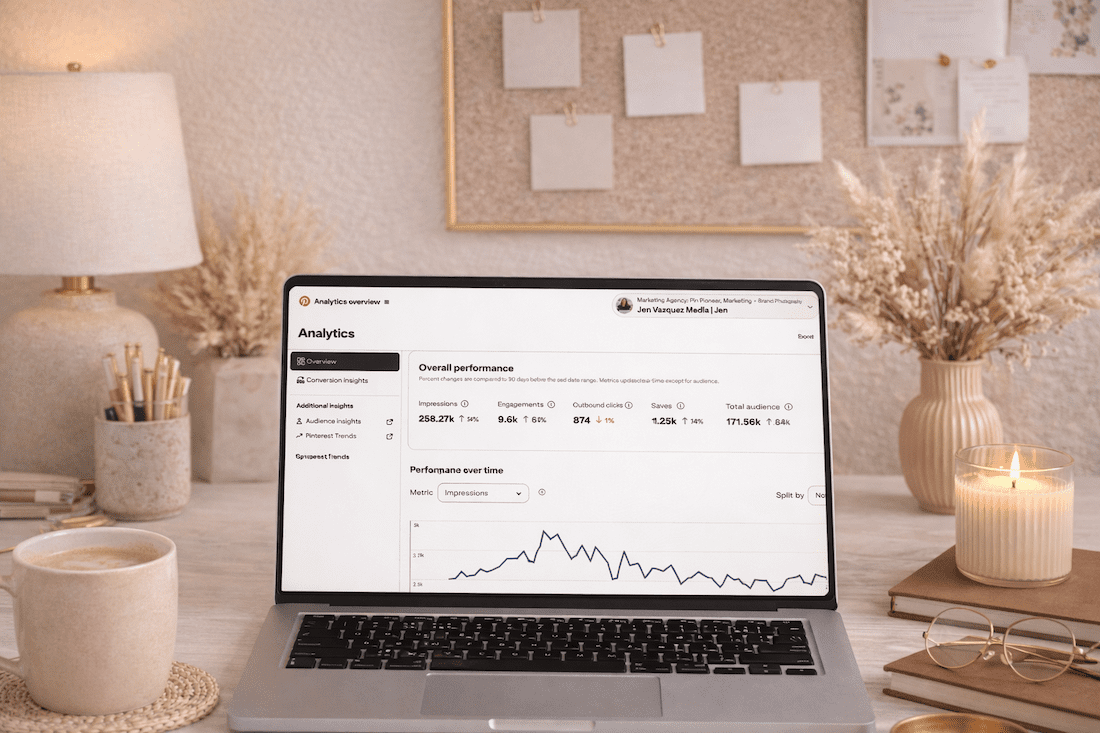
Since starting and managing Pinterest for Velia Beauty Co, the account has experienced sustained, measurable growth:

  • Followers increased by 600%
  • Monthly viewers increased by 231,000%
  • Outbound clicks increased by 2,700%

Pinterest now functions as an evergreen discovery platform, consistently driving traffic to:

  • Blog content
  • Podcast episodes
  • Lead magnets and freebies

All without the need for daily posting or ongoing manual effort from the client.

Podcast Growth (Built From Zero)

The Beauty Lab Podcast launched with no existing audience and no prior episodes.

Today, the podcast shows steady, healthy growth driven by evergreen beauty education:

  • 336 downloads in the last 30 days
  • 758 downloads in the last 90 days
  • 2,576 total downloads
  • Strong listenership across Apple Podcasts and Spotify

Because episodes focus on searchable, education-based topics, they continue to be discovered well after publishing — supporting long-term visibility for both Velia and her co-host.

Email Performance (New Channel)

Email marketing was added later and also started from scratch.

Early performance includes:

  • 221 total subscribers
  • 39% average open rate
  • 1.65% average click rate

List growth is driven by:

  • A “greasy hair” free guide
  • Existing salon clients
  • Hair product customers

Even in the early stages, email is already supporting education, trust-building, and product awareness.

The Outcome That Matters Most

Velia and her co-host:

  • Record the podcast
  • Hand off the files
  • Everything else runs

Their content now:

  • Lives on multiple platforms
  • Is repurposed automatically
  • Continues working long after it’s published
  • Supports both brand visibility and product sales

No scrambling.
No guesswork.
No burnout.

Case Study: Building an Evergreen Visibility System From Scratch by Jen Vazquez Media (Marketing + Pinterest Agency)

Why This Works

This system isn’t about doing more content.

It’s about building one strong core asset — the podcast — and letting it power:

  • Blog content
  • Pinterest traffic
  • YouTube discovery
  • Weekly emails
  • Ongoing brand authority

One workflow.
Long-term visibility.
Marketing that fits real life.

Who This Is For

This type of system is ideal for:

  • Business owners who want visibility without more work
  • Podcast hosts who want consistency without burnout
  • Brands that want evergreen discovery instead of short-term spikes
  • Founders who want expert execution, not DIY overwhelm

About Jen Vazquez Media

At Jen Vazquez Media, I help female service providers simplify their marketing so it actually works — without needing more time, more content, or more hustle.

With over a decade of experience in marketing, Pinterest strategy, and brand photography, I focus on one thing: building clear, repeatable marketing workflows that bring in leads and fit real life. No guesswork. No spinning your wheels. Just systems that make sense and keep working in the background.

I believe marketing should feel supportive, not stressful. Whether you’re trying to get more eyes on your content, turn your blog into a traffic driver, or finally understand what to focus on each week, my work is about clarity, consistency, and ease.

If you’re tired of doing all the things and ready for a smarter way to show up, you’re in the right place.

Want help simplifying your marketing?

Explore DIY or Done With You services or free resources — and let’s make marketing feel doable again.

Case Study: Building an Evergreen Visibility System From Scratch by Jen Vazquez Media (Marketing + Pinterest Agency)
Case Study: Building an Evergreen Visibility System From Scratch by Jen Vazquez Media
Case Study: Building an Evergreen Visibility System From Scratch by Jen Vazquez Media  of Velia Beauty Co and Moderne Beauty and The Beauty Lab Podcast

📌 DON’T FORGET TO PIN IT!

Case Study: Building an Evergreen Visibility System From Scratch Vfor elia Beauty Co + The Beauty Lab Podcast

Neuromarketing for Service Businesses: 5 Brain-Based Tips to Stand Out

Neuromarketing for Service Businesses: 5 Brain-Based Brand Tips to Stand Out with Nicole Powell on Marketing Strategy Academy Podcast with Jen Vazquez

Neuromarketing for Service Businesses: 5 Brain-Based Brand Tips to Stand Out with Nicole Powell

This was an interview I did for the Marketing Strategy Academy Podcast.  Enjoy!

Are you accidentally making your brand harder to buy from?

If your marketing feels like it should be working… but people aren’t clicking, booking, or replying the way you hoped, there’s a good chance it’s not your effort.

It might be that your message isn’t landing the way your audience’s brain needs it to land.

In this episode of Marketing Strategy Academy, I sit down with Nicole Powell (founder of Halcon Marketing) to talk about neuromarketing—aka the simple science of how people take in info, build trust, and decide “yes” (often before they can even explain why).

And don’t worry—this is not a weird, robot-y “hack people’s brains” convo.

It’s more like: “Ohhh, that’s why my audience isn’t getting it… and how I can fix it.”

What neuromarketing is (without the big words)

Nicole describes neuromarketing as the intersection of marketing + psychology + behavioral economics.

But here’s the plain-English version:

Neuromarketing helps you understand how people process information, feel trust, and make buying decisions—so you can communicate in a way that feels clear and easy to say yes to.

Because even if you think people buy logically… a lot of decisions happen subconsciously first. Then we back them up with logic later.

So when your marketing feels confusing, too wordy, too “in your head,” or too focused on what you care about… the brain taps out fast.

The biggest brand mistake: not listening to your audience

Nicole said something that every business owner needs to hear:

A lot of small businesses don’t listen to their audience enough… and sometimes they don’t ask at all.

And yep—this is where most messaging breaks.

There’s often a gap between:

  • what you want your brand to be known for, and
  • what people actually think you do (or why you’re different)

If you don’t know what’s happening in your audience’s mind, you can’t shape perception.

And if you’re a solopreneur? This matters even more, because there’s no team meeting where someone gently says, “Wait… that sentence makes no sense.” 😅

The “curse of knowledge” problem

Nicole also called out something I see all the time with service providers:

You know your topic so well that you start assuming other people do too.

But the moment your marketing makes someone feel confused, their brain goes: “Nope,” and scrolls away.

Simple doesn’t mean boring. Simple means easy to understand.

Emotional vs utilitarian messaging (this part is gold)

This was one of my favorite parts of the whole interview.

Nicole shared a client example where neuromarketing changed their results in a measurable way.

Here’s the key idea:

Not every offer should be marketed the same way.

If what you sell is utilitarian (it saves time, improves efficiency, solves a problem, creates structure), then a super emotional “brand story first” approach may not be the best lead.

For that type of offer, people often respond better to:

  • facts
  • speed
  • clarity
  • ROI
  • proof
  • “here’s exactly what this does.”

Nicole shared that when they leaned into clearer, more factual messaging (and minimized the founder story), they saw:

  • more trials
  • more website traffic
  • stronger ad response

So yes—story matters. But story is not the only tool.

The real win is matching your message to what your audience needs to hear to feel confident.

Collaboration that builds trust (and better marketing)

Nicole has worked both client-side and agency-side, and that shaped a big part of her philosophy:

Transparency strengthens relationships.

Marketing is not a straight line. It’s not “up, up, up forever.” It’s a cycle of testing, data, learning, adjusting.

And she’s not here for agencies hiding the messy parts.

Because when you only show the “good numbers,” clients stop trusting the process the second something dips. And dips happen.

Good collaboration looks like:

  • sharing what’s working and what’s not
  • explaining what the data means in plain English
  • having a plan for what you’ll change next

Basically: don’t just report numbers. Use them.

Standing out in a crowded market (Nicole’s 3 tips)

Nicole’s advice here was super grounded—and honestly, a relief.

1) Stop telling yourself it’s “too saturated.”

Yes, your industry is crowded.
Yes, it’s noisy.

But there’s still space for you if you do the work:

  • research
  • listen
  • understand what your people truly care about

2) Know your audience deeper than the surface needs

People don’t choose you just because you “offer the service.”

They choose you because they feel:

  • understood
  • safe
  • confident
  • aligned

That comes from knowing their triggers, values, and decision drivers—not just what they “need.”

3) Don’t obsess over competitors

Competitor research can be helpful… but it can also wreck your confidence fast.

And worse? It can make you build offers you don’t even want—just because someone else has them.

Nicole’s take:
Know yourself first. Then know your audience. Then look at competitors to find gaps—not to copy.

If your brand isn’t connecting, do this this week

Nicole made a really helpful distinction:

Attracting gets attention.
Connecting gets conversion.

You can attract people all day long… but if your message doesn’t feel like it’s talking to them, they won’t take the next step.

So if your brand isn’t connecting, here’s your simple plan for this week:

  • Look at your data (even if you don’t feel like it)
  • Identify what content has worked before
  • If you don’t have enough info, run quick audience research:
    • Instagram story polls
    • this-or-that choices
    • short question boxes
  • Then adjust your messaging based on what you learn

And don’t pivot too fast. Let your marketing breathe. People often need a number of touchpoints before they buy.

Nicole’s freebie: 5 neuromarketing secrets to apply to your brand

Nicole is sharing a guide + workbook focused on five neuromarketing “secrets” you can actually use—without getting lost in science terms.

Her agency tagline is “to be remembered,” and honestly… that’s the whole goal.

Not louder. Not more.
Just clearer + more memorable.

Now go out there and do something good for your business, like snagging Nicole’s gift and then taking action!

Nicole’s Gift:  5 Neuromarketing Secrets That Make Your Brand Unforgettable

Where to Find Nicole:


📌 DON’T FORGET TO PIN IT!

Why Pinterest Works Better When Your Strategy Is Boring (And Simple)

Why Pinterest Works Better When Your Strategy Is Boring (And Simple) on Marketing Strategy Academy Podcast with Jen Vazquez

Why Pinterest Works Better When Your Strategy Is Boring (And Simple)

Pinterest works best when it’s boring — in the best way.

And if your Pinterest strategy feels complicated, scattered, or hard to keep up with, here’s the good news: it’s probably not because Pinterest is changing. It’s because your plan is trying to do too much.

Hey, I’m Jen. I help service providers use Pinterest in a simple, steady way that actually fits real life. No hustle. No guessing. Just clear systems that work over time.

And one of the biggest mistakes I see? People trying to make Pinterest exciting.

More pins.
More formats.
More ideas.
More tweaks.

Pinterest doesn’t reward intensity. It rewards clarity.

Pinterest Doesn’t Want More Content — It Wants Clear Content

Pinterest is a search engine, not a social platform. Its job is to understand content well enough to place it in front of the right people.

That means Pinterest is always trying to answer three questions:

Who is this for?
What problem does it solve?
What happens after someone clicks?

When those answers are clear, Pinterest knows exactly where your content belongs. When they’re not, things stall — no matter how often you post.

This is why throwing more content at the platform usually doesn’t fix the problem. It just adds noise.

Why Repeating Topics Works Better Than Chasing New Ideas

If you’ve ever felt like you’re talking about the same things over and over again, that’s actually a good sign.

Repeating topics helps Pinterest understand what you’re known for. It builds context. It creates patterns.

One strong pin that clearly solves a problem will almost always outperform five rushed pins that try to say too much.

Pinterest wants consistency, not constant creativity.

Consistency Beats Bursts of Effort Every Time

Big bursts of Pinterest activity followed by long breaks don’t help the algorithm learn your content.

What works better is a steady, repeatable plan you can keep up with — even when life gets busy.

Pinterest isn’t asking you to do more. It’s asking you to decide:

What am I known for?
Who am I helping?
What do I want this content to do?

When you answer those questions once and stick with them, Pinterest gets a whole lot easier.

Simple Pinterest Plans Are the Ones That Last

If your strategy feels calm, clear, and a little boring, you’re probably doing it right.

Pinterest works best when it has time to learn your content and trust it. That’s how you build traffic that grows quietly in the background instead of burning you out.

And if you want help building a marketing plan that actually works long-term — without constant guessing — the Creative Marketing Summit is a great place to start.

It’s a free, online event happening at the end of February, and it’s focused on simplifying your marketing instead of piling more onto your plate.

Grab your free ticket at creativemarketingsummit.com.


📌 DON’T FORGET TO PIN IT!

Gen Z on Pinterest: How They’re Taking Back Their Taste (and What It Means for Brands)

Gen Z on Pinterest: How They’re Taking Back Their Taste (and What It Means for Brands) by Jen Vazquez Media

Gen Z on Pinterest: How They’re Taking Back Their Taste (and What It Means for Brands)

Pinterest just dropped some cool insights on how Gen Z is using the platform to rediscover their taste in a world full of AI and copy-cat trends. This isn’t just social media talk — it’s a real shift in how young people explore ideas, define themselves, and make decisions online. 

Why This Matters

Gen Z — that group born roughly between 1996 and 2010 — is now the biggest group on Pinterest, and their habits are shaping how the platform works and how brands should show up. (Pinterest)

These young folks grew up with TikTok, Instagram, AI tools, and tons of algorithm feeds telling them what to like. But guess what? They’re kind of over it. They want real inspiration, not automatic suggestions or “everyone’s doing this” content. (Social Media Today)

1. Gen Z Is Rejecting the AI Feed Loop

Algorithms and AI tools tell you what to watch, wear, or want — but that can blur individual taste. Many Gen Z users say they don’t even know what they like anymore after just following all that automated “must-see” stuff. (Pinterest)

So they’re choosing a different path: they want content that helps them explore who they are, not what AI thinks they should be into. (Social Media Today)

2. Identity Through Aesthetics (Not Trends)

Gen Z isn’t into one-size-fits-all trends anymore. Instead, they’re:

  • Making tiny, niche aesthetics based on mood or vibe
  • Mixing styles that feel true to them
  • Avoiding “trend burnout” by putting their own spin on things

That means Pinterest boards that feel personal — like “Cool Blue,” “Dark Academia,” or whatever unique mashup they dream up next. (Pinterest)

They aren’t just scrolling. They’re actively curating their identity. That’s powerful. (Diary Directory)

3. Visual-First = Better Decision Making

Gen Z grew up with screens in their hands, so they don’t want long blocks of text. They want visuals — fast.

Pinterest is visual first, meaning it helps people see, compare, and feel an idea before they commit. That’s part of why 69% of Gen Z say imagery helps more than text or reviews when making decisions. (Pinterest)

4. Safe Space for Exploration

Unlike some platforms that feel loud, judgmental, or purely engagement-driven, Gen Z describes Pinterest as less performative and more intentional. They feel comfortable trying ideas, crafting boards, and changing their minds — without pressure. (Pinterest)

So instead of scrolling endlessly, they’re exploring at their own pace — and that’s refreshing. It’s anti-doom scroll, if you think about it. (Pinterest)

5. What This Means for Brands

If you’re creating on Pinterest, this shift is a big deal:

  • Be part of their story: Gen Z isn’t there for ads that interrupt. They want inspiration that fits their taste journey. (Pinterest)
  • Support individuality: Pins that help users make choices feel more meaningful than ones that push “trending” products. (Pinterest)
  • Think visual first: Strong visuals help Gen Z decide what fits their vibe faster. (Social Media Today)

At the end of the day, Gen Z on Pinterest isn’t just browsing — they’re finding themselves through what they save and explore. That’s pure gold if you’re trying to connect in a real way.

📌 DON’T FORGET TO PIN IT!

How to Use Brand Photos to Boost Your Marketing (and Actually Bring In Leads)

flutes of Champagne in a four-way cheers at The Sunlight Space Studio in Los Altos, California by Bay Area Brand Photographer Jen Vazquez

How to Use Brand Photos to Boost Your Marketing

Hey friend! Today we’re getting into something a lot of founders skip… even though it’s one of the easiest ways to get more eyes on your business: brand photography.

You can have the best Pinterest strategy out there, but if your photos don’t connect, your marketing stalls out real fast. Let’s fix that with simple steps you can use today.

Why Brand Photography Matters

Visuals build trust faster than words — way faster.  When someone lands on your Pinterest profile, website, or Instagram, your photos tell them who you are and how you help.

Fresh, intentional photos build recognition. Outdated or generic images confuse people. That small shift alone can change how people see your brand.

Three Photo Categories Every Founder Needs

Let’s break down the exact types of photos that actually help people connect with you.

1. Behind-the-Scenes

These show your real process — even if your process is you at a laptop.  Think:

• Working at your desk
• Planning content
• Chatting with a “client” (aka your sister, best friend, or one of your kids)

If you’re a hairdresser, coach, photographer — same idea. People want to see you doing your thing.

2. Personality Moments

These are your smile shots, your laugh shots, your lifestyle moments, your natural expressions.

The ones that feel like someone caught you mid-moment. These make you human and relatable — and honestly, they’re the photos people connect with the most.

3. Expertise + Tools

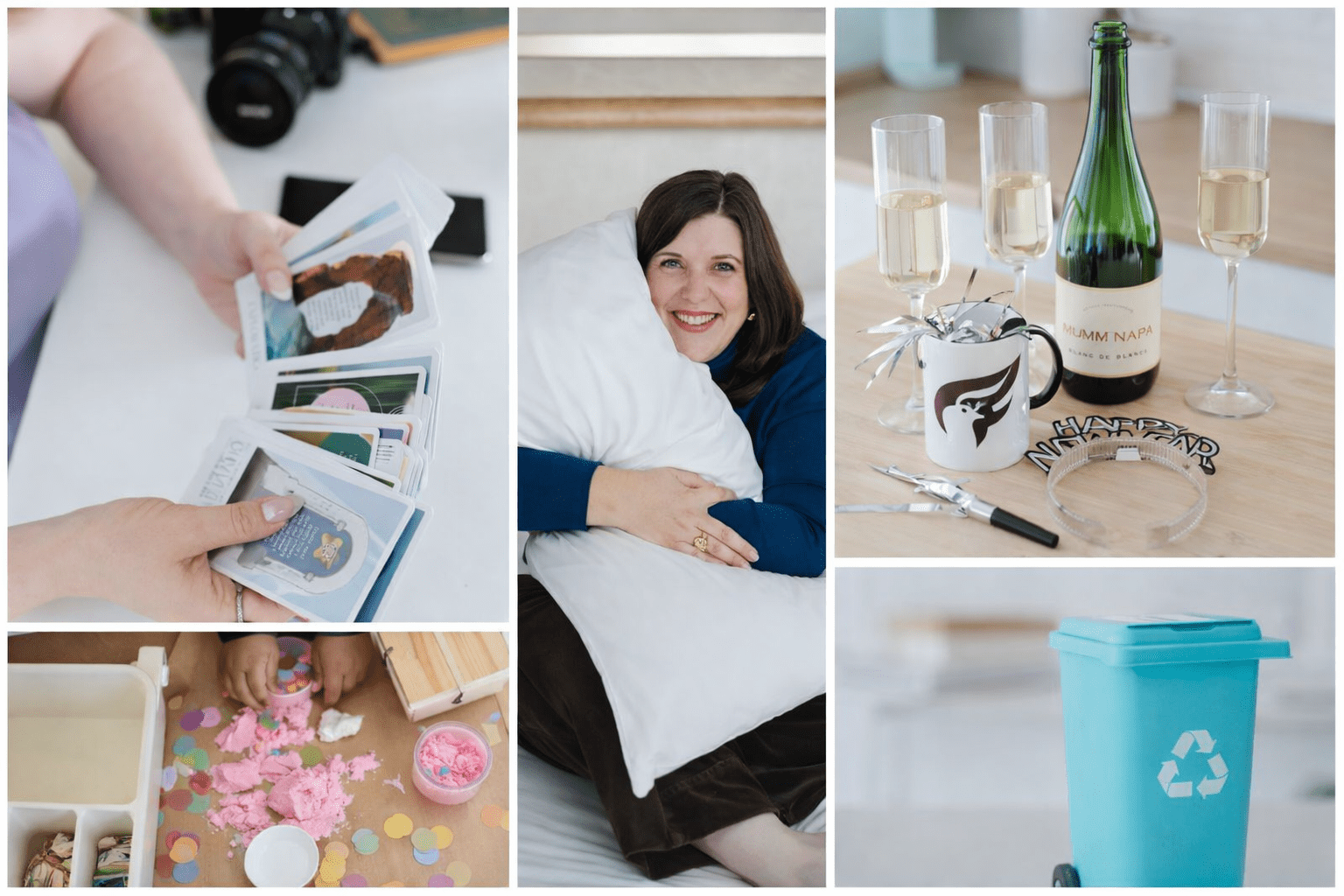
Flat lays, tools, details.  Show the “things you touch” when you’re doing what you do.

For me, that’s a laptop open to Pinterest, my phone, notebooks, pens — anything that makes it clear what I help with.

With all three categories, you create a full visual library you can use for:

• Pinterest
• Reels
• Emails
• Website updates

Bonus: I always grab behind-the-scenes video at client sessions so they can turn it into fast, easy Reels.

Ready for a Visual Refresh?

End of year is the perfect time to check in with your visuals.  Ask yourself: “Do these photos still show my brand, my energy, and my ideal client?”

If not, it’s time to plan a 2026 refresh. You can book a Social Session for quick updates or go deeper with a full brand photo session — hair and makeup included, plus strategy built into every shot.

And if you want support planning your next shoot, grab my Brand Photo Shoot Workbook + Checklist. It covers posing, outfits, and a marketing-minded shot list so you capture content that actually sells.

How to Use Your Photos Across Platforms

Now let’s turn those photos into a real marketing system.

Pinterest

Use bright, clear photos with your face or workspace featured. These drive the most saves + clicks.

Instagram

Turn behind-the-scenes photos into quick Reels and stories. People love seeing the process.

Website

Use “connection shots” on your About page. Use tool + detail shots on your Services page.

Email

Add one personal, friendly image at the end of your newsletter. It makes your whole message feel warmer and more real.

Each photo should reinforce the same message: Who you help + how you help them.

Your Action Step

Review your current brand photos. If they don’t tell your story anymore, it’s time to book your next session and start 2026 with visuals that work for you.

That wraps our November series on Pinterest + visibility. December is all about marketing systems for the new year — so stick around.

Thanks for hanging out with me today — you crushed it just by showing up for your business! Pick one of these two videos next to keep growing your biz the easy way.


📌 DON’T FORGET TO PIN IT!

brand photo of Michelle Oost birth photographers and coach with bubbles  at the Sunlight Studio in Los Altos, california by Bay ARea Photographer Jen Vazquez
esthetician Monina Wright of Moderne Beauty giving a facial to a client in Willow Glen, California by Bay ARea Photographer Jen Vazquez
Website designer and former makeup artist Kim Baker Gomez at The Sunlight Space in Los Altos, California by Bay ARea Photographer Jen Vazquez
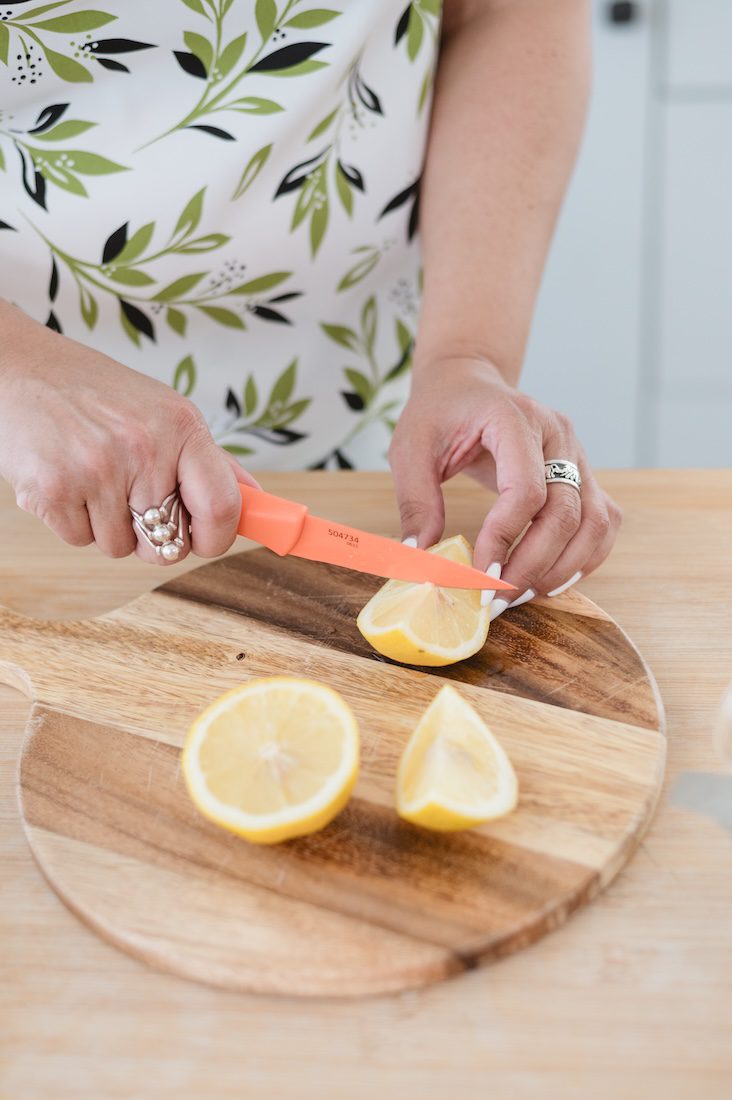
Annabell Lindo of ShiftWell slicing lemons detail shot at The Sunlight Space in Los Altos California by Jen Vazquez Media
Makeup Artist and beauty coach Susan Talamantes at the Sunlight Space studio in Los Altos, California by Bay Area Brand Photographer Jen Vazquez

What to Pin in Q4 for January Leads: Pinterest Strategy for Service Providers

Plan Ahead for January Pinterest in Q4 — Set Up for 2026 Success by Jen Vazquez Media on Marketing Strategy Academy Podcast

Pinterest in Q4 — Set Up for 2026 Success

If you want January leads, the time to act is right now. Pinterest users plan one to two months ahead, so what you pin in November sets up your visibility and traffic for December and January.

I’m Jen Vazquez, Pinterest Pioneer and marketing strategist. In this post, I’ll show you exactly what to pin in Q4 so you can roll into 2026 with steady visibility, qualified leads, and a refreshed Pinterest account that actually works for you.

By the end, you’ll know what content themes to focus on, how to repurpose what you already have, and which quick updates make the biggest impact before the year ends.

Why Pinterest in Q4 Matters

Pinterest search behavior always runs ahead of the calendar. While most people are slowing down, Pinterest users are ramping up searches for organization, planning, and New Year goals.

This is your perfect window to refresh your top-performing pins and create new content around:

  • Goal setting
  • Systems and productivity
  • Marketing visibility

Think of it like planting seeds now for a strong first-quarter harvest.

What to Pin Right Now

Here are four content types that perform best this time of year:

1. Year-End Reflection + Planning Posts

People love recap content. Try blog roundups like “My 5 Favorite Sessions of the Year,” “What I Learned in 2025,” or “Best Venues for 2026 Weddings.” These posts perform well because they’re both personal and shareable.

2. New Year Preparation

Checklists, workflows, and productivity tips are major traffic drivers in Q4. Take time to update your freebies, refresh your lead magnets, and make sure all your opt-ins are current and visually aligned with your brand.

3. Fresh Start Themes

Everyone’s thinking “new year, new me.” Share content about brand updates, website refreshes, decluttering workflows, or marketing resets. Service providers—like designers, coaches, and photographers—can tie this directly to their offers.

4. Evergreen Service Content

Pins that highlight what you do—your signature services, offers, and client transformations—keep driving traffic year-round. Make sure they link to your core pages or blogs with strong calls to action.

Quick Win: Update, Don’t Start From Scratch

You don’t need to reinvent the wheel. You can easily update old blogs or pins to make them feel current:

  • Refresh content with new insights or visuals.
  • Add internal links to other blogs or services.
  • Update the publish date (but don’t change the URL!).

Pinterest sees fresh updates as active content—which means more reach for less effort.

How to Repurpose for Holiday Traffic

Most of your existing content can be re-angled for Q4 searches. Try turning holiday or seasonal blogs into “Planning for 2026” posts.

Example: swap “Holiday Marketing Tips” for “Marketing Systems for 2026.”

You can also update your Pinterest boards with new covers and keywords to signal that your content is current and relevant. This helps boost visibility before the January search surge hits.

Build Your Q1 Pinterest Plan

Here’s a simple framework to stay consistent this month:

Week 1: Take your top 20 performing pins and create new designs for the same blogs or services. Use the same keywords but swap the image.
Week 2: Create 5 new pins that highlight your evergreen services.
Week 3: Design 3 “2026 planning” pins that link to your existing planning or goal-setting content.
Week 4: Review your analytics to see which pins get saves and clicks—then make more of that type.

This rhythm keeps you consistent and sets you up for a smooth January without extra posting stress.

Simplify with a Pinterest Refresh

If your account feels outdated or disorganized (or you don’t have one yet), this is the perfect time for a quick reset.

My Pinfluence Power Clean is a 21-day Pinterest refresh where my team and I:

  • Update your profile and optimize boards
  • Create branded pin templates
  • Schedule your first month of content

You’ll walk away with a refreshed account that attracts 2026 leads—without doing it all yourself.

Your Action Step

This week, refresh a few of your best pins and create five new ones pointing to your January offers. 

Use my free Organic Pins Checklist to make sure your pins include all 10 must-have elements for performance.

Next week, I’ll show you how to read your Pinterest analytics so you can make smart content decisions for 2026.

Thanks for hanging out with me today — you crushed it just by showing up for your business!

📌 DON’T FORGET TO PIN IT!

Pinterest Q4 Plan Pinterest in Q4 — Set Up for 2026 Success by Jen Vazquez Media
Pinterest Refresh Tips Pinterest in Q4 — Set Up for 2026 Success by Jen Vazquez Media on Marketing Strategy Academy Podcast
What to Pin This Quarter Pinterest in Q4 — Set Up for 2026 Success by Jen Vazquez Media on Marketing Strategy Academy Podcast
Pinterest Power Clean Pinterest in Q4 — Set Up for 2026 Success by Jen Vazquez Media on Marketing Strategy Academy Podcast
Plan Ahead for January Pinterest in Q4 — Set Up for 2026 Success by Jen Vazquez Media on Marketing Strategy Academy Podcast