How to Build a 7-Figure Marketing Agency Without Burnout
Can you build a multimillion-dollar agency without burnout? Yes. And no, it’s not because you “hustled harder.”
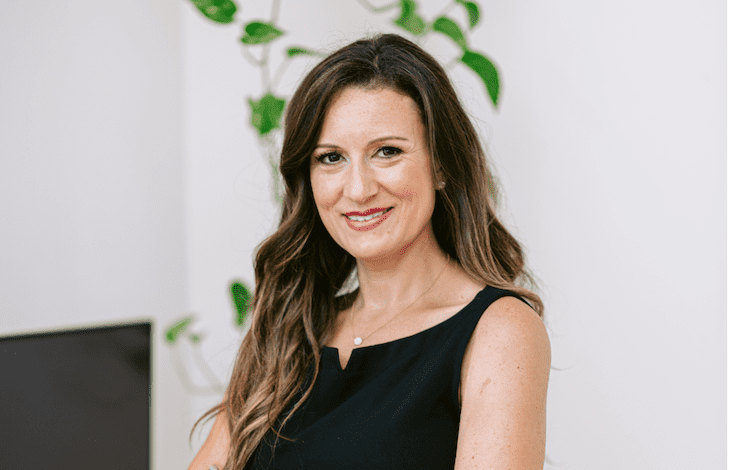
In this interview, I’m chatting with Kym Asana, founder of Always On Digital (a woman-owned agency running big campaigns for major brands). Kym built a thriving agency with a real-life setup: kids, calls, school stuff, team needs, and the kind of work that still has to get done on time.
And what I loved most? Her answers were not fluffy. They were practical. The kind of tips that make you go, “Ohhh… that’s why this feels so hard.”
So if you’re a service provider trying to grow (or you want to build a team one day), this is going to help you think bigger without lighting your life on fire.
The “windy road” that led to her agency
Kym’s career started early—like, “after school job in NYC” early. She worked at a radio rep firm and noticed something that stuck with her for years: moms doing job shares. No laptops. No phones. Just two people splitting a role, coming in on different days, and still crushing it.
That idea stayed in her brain as she moved through advertising, into digital, into startups… and then into motherhood. And once you’ve tasted even a little flexibility (like working from home because your company doesn’t have an office near you), it’s really hard to go back. But most workplaces weren’t built for real life.
Kym talked about the chaos of daycare drop-offs and pickups, commuting, and those moments where you’re like: “Okay, you get out, take an Uber to that daycare, and I’ll go to this one because they close in 15 minutes.”
If you’ve ever had to play life Tetris with kids + work, you get it.
The moment that pushed her to start the business
Kym didn’t start her agency because she woke up one day feeling brave and ready. She started because she got pushed.
After an acquisition, her company removed work-from-home options and flexibility. Kym saw talented women leaving the workforce because the system wasn’t made for parents. So she tried to create a better option.
Then… a massive layoff happened. And she was part of it. That moment was scary (mortgage, kids, panic, all of it). But it also forced the leap. And that leap became Always On Digital.
If you’re in a season where you feel “pushed,” I want you to hear this part: sometimes that shove is the beginning of the thing you’ve been trying to build for years.
What makes her agency stand out (and why clients stay)
Kym’s agency works with big brands, and when I asked what sets them apart, she didn’t say “we’re different” in a vague way.
She said two things:
1) A seasoned team: Their people have 12–20+ years of experience. That means clients feel like they’re in capable hands, not passed around to a bunch of newbies.
2) Customer service that actually feels like service: They run their work like a relay race. People cover different windows of time, hand off tasks, and keep things moving. So clients feel like “someone’s always on,” even though the team is still living their lives.
She doesn’t like her staff to say no to a client; it’s helpful to find a way to say yes, even if that’s out of the box.
That doesn’t mean overworking or having zero boundaries. It means building a system so the business can deliver without one person carrying everything.
How she supports flexibility without chaos
Here’s the part I think a lot of business owners need to hear: Flexibility only works when trust is real.
Kym described how her team shares their schedules upfront. Some people work specific windows (like 9–12 while kids are in care). Someone else takes over later. Reporting and checks happen on a rhythm that fits the person doing them.
Nobody is micromanaged. The work gets done. Clients are supported. And internally? It’s normal to see kids pop into calls. After the novelty wears off, kids just… exist in the background like tiny coworkers who don’t care about KPIs.
It’s not “perfect balance.” It’s real life, built into the business on purpose.
Mindset shifts that helped her scale to seven figures
When I asked about scaling, Kym nailed something I say all the time too: You’ll know you’re scaling because stuff breaks.
Something snaps, you patch it, you build a better system, and you keep going.
But her biggest mindset shift was this: If someone wanted to buy your business tomorrow, what are they buying? You… or the business?
That question hits. Because if everything depends on you, you don’t have a business. You have a very stressful job. The goal isn’t to disappear. The goal is to stop being the only thing holding it together.
Kym also shared that the book by was a powerful reminder during her growth phase. One of the biggest takeaways wasn’t learning something brand new — it was being reminded to step out of the day-to-day and build a business that could grow beyond her. As she put it, sometimes you don’t need new information — you need someone to say, “It’s time to do the thing you already know you need to do.”
She also shared a super practical way to think about hiring: Instead of mentally committing to a full-year salary, think in 3-month blocks.
Do you have three months of runway to test this hire? And if it’s not working, can you make a clean change before it becomes a year-long drain? That’s a grown-up way to hire without fear of running the show.
Free Marketing Help Is Waiting
Feeling stuck on what to post or how to get more eyes on your business? The Creative Marketing Summit is a free, online event where smart marketing pros share real strategies for getting visible, booking clients, and saving time — without doing all the things. Watch for free, learn fast, and actually use what you learn.
👉 Grab your free pass below
The tools + systems that helped them run smoother
They started simple (because you should):
- Trello (free/low cost)
- Zoho (client tracking)
- Monday (tried it)
- Slack (current home base, with channels for process)
Kym shared a smart example: they use Slack channels for things like RFPs and campaign details so the right people can jump in, add input, and own their parts without messy back-and-forth.
Then they made a bigger investment: A reporting dashboard. Because reporting across tons of platforms was eating hours (and payroll). Automation cost money up front, but it saved money long term.
This is a good reminder: sometimes the “expensive” thing is cheaper than doing it manually forever.
A marketing mistake that’s killing results for a lot of businesses
I asked Kym what mistakes she sees companies making, and her answer deserves a little gold star: They’re not flexible.
People cancel too fast. They panic when results aren’t instant. They don’t stay in the seat of the customer. Most buyers don’t see something once and purchase. It takes time, trust, and repetition.
And here’s the hard truth: If you hire an expert but refuse to listen, you’re paying for frustration.
Flexibility is what makes good marketing work—because the data tells you what to adjust as you go.
Boundaries as a mom + CEO
Kym’s boundaries weren’t complicated. They were… a locked door. Not a cute sign. Not a “please don’t.” A lock.
And honestly, respect. She was clear with her kids:
If I stop working, we stop doing the extras.
So we’re a team. You respect work time, and we get the life we all want.
Also, her kids are learning business just by being around it. They ask about deals, money, and how it works. And yes, they think everything is profit until you explain taxes and payroll.
Relatable.
The 3 things that helped her grow the most
Kym’s top three were strong:
1) Mentorship
And not always from someone “at the top.” Sometimes the best mentor is one step ahead of you.
2) Staying connected
Not “sales calls.” Real conversations. Relationships. Referrals come from trust.
3) Putting good into the world
Helping people connect, even when you get nothing out of it. Because people remember who helped them.
This part is so true: you don’t need more networking. You need better relationships.
What her agency does (and who it’s for)
Always On Digital supports brands and agencies with advertising execution (and some strategy) across channels:
- traditional (billboards, print)
- digital + social
- search
- display
And they’re fully paid-focused. Which made me laugh because I’m the opposite. I’m organic all the way. So yes—this is a “we should totally refer each other” situation.
Don’t just listen—use this
Kym also shared a free 2026 marketing guide with six channels you can put your budget into, plus tips they’re using right now.
And I’m going to lovingly say what I said at the end of the episode: Don’t download it and let it rot in your email. Put 20 minutes on your calendar next week to review it and pick one move. Because your business doesn’t grow from consuming content.
It grows from doing something with it.